Fair trade, not coercion, way to stabilize mutually beneficial economic relations: China Daily editorial









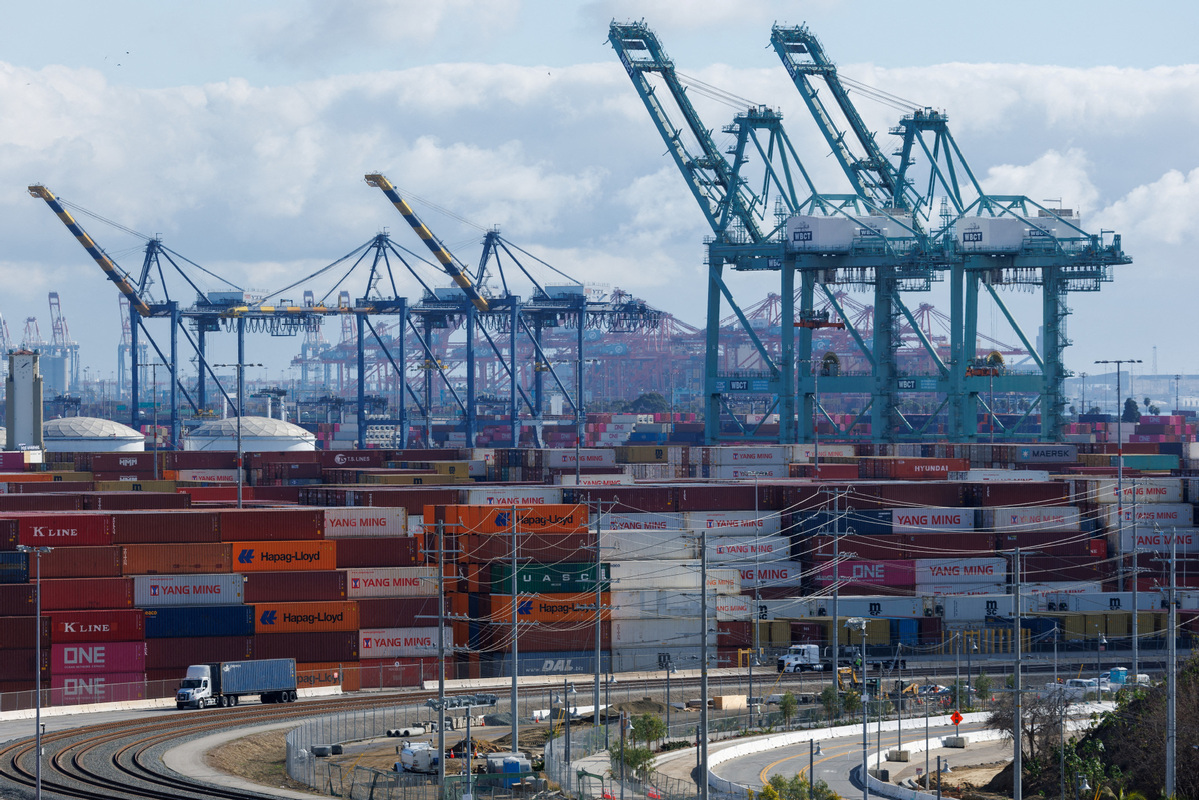
Amid the trade war unilaterally waged by the United States against its trading partners and its upending of the free trade rules, the threats of hefty tariffs have become a routine practice frequently employed by the US administration as a coercive means to extract concessions.
In the latest manifestation of his maximum pressure approach, after a meeting with ROK President Lee Jae-myung at the White House on Monday, US President Donald Trump told reporters that if China restricts its exports of rare-earth magnets to the US, the US will impose a 200 percent tariff on China.
Obviously, such a threat will not contribute to the two countries' efforts to stabilize bilateral trade ties.
Trump also said that airplane parts were a key leverage that Washington could use to counter Beijing's "grip" on rare earths. He claimed that 200 Chinese planes would be unable to fly if the US does not provide China with Boeing parts.
China has long made it clear it has no intention to use rare earth regulations as tactical countermeasure.
Although some have chosen to ignore the rationality of China's adjustment of its rare earths regulations, be they for industries or trade, they cannot deny the fact that if China really "weaponized" the resources, the steady performance of relevant industries in the developed countries would not have been possible.
That almost all major tech-intensive industries of the developed economies, including the aviation industry that Boeing belongs to, have fared steadily despite the repercussions sent by US tariffs can be partially attributed to China's steady supply of sufficient, clean and quality rare earth-related items over the years.
Unlike some unilateralists and protectionists, China's policymakers always adopt a systemic approach to handling issues related to the global industry and supply chains.
China-US trade ties should not become a game where only the bullying triumph. It needs strategic composure and political wisdom to anchor the ties on a more stable, mutually beneficial terrain.
As Chinese Foreign Ministry spokesperson Guo Jiakun said when asked to comment on the latest US tariff threat, it is China's hope that the US side will meet China halfway and jointly promote the stable, healthy and sustainable development of China-US relations.
Thanks to the efforts from both sides, the current tariff attack pause between the two countries has, to some extent, brought a certain stability and certainty to China-US trade ties. Negotiation teams from the two countries have been maintaining close contact and striving to further expand their agreement through equal-footed negotiations.
Under such circumstances, both China and the US should cherish the current hard-won results of their previous negotiations and cultivate a good environment for the negotiation process. Under an equal and healthy trade relationship, it would be natural for each country to purchase what it wants from the other according to market law.
For decades, the world's two largest economies have been deeply integrated, with extensive common interests and vast potential for cooperation in the economic and trade fields. The flow of rare earths to the US and Boeing parts to China is just one example of the mutual advantages of trade between the two countries, which cannot be easily severed by tariff barriers.
China's position on US tariffs is clear and consistent: they are, in essence, acts of unilateralism and protectionism that violate World Trade Organization rules.
China is willing to properly handle differences and find solutions through dialogue and consultation. But it will not yield to any attempt that aims to pressure it into making concessions on matters of principle.