Neighbors' cooperative pas de deux will be salient boon for Global South: China Daily editorial









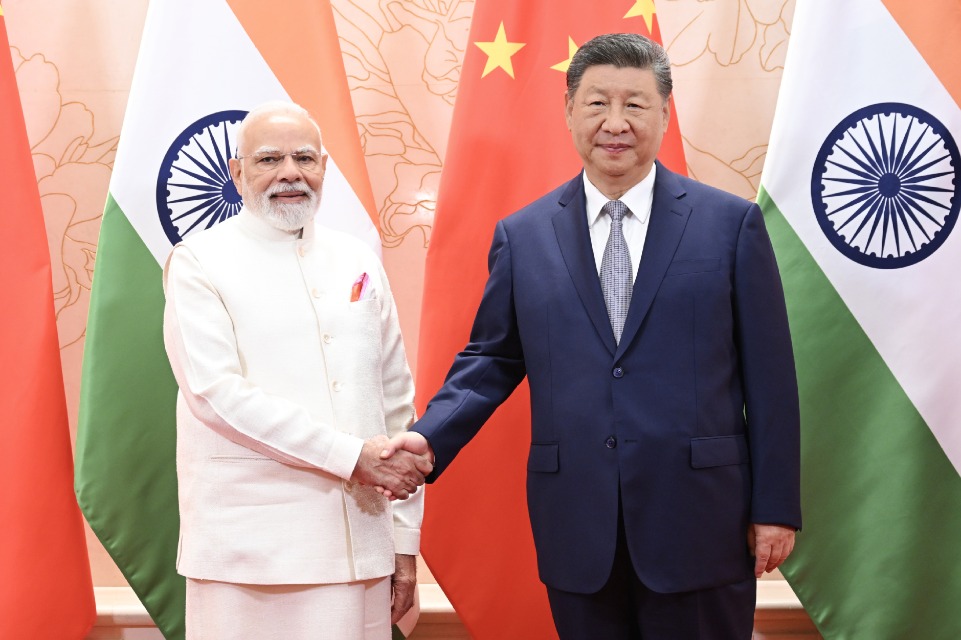
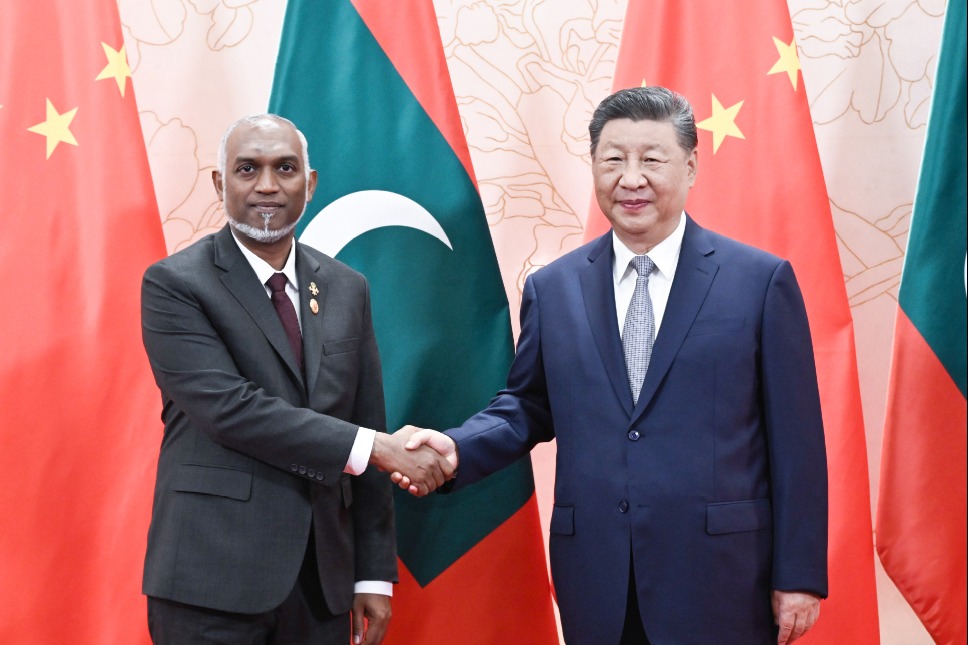
President Xi Jinping met with Indian Prime Minister Narendra Modi on Sunday on the sidelines of the Shanghai Cooperation Organization Summit in Tianjin. This meeting, building on their successful dialogue in Kazan in 2024, represents an important moment for China-India relations, and comes at a significant time.
Coinciding with the 75th anniversary of the establishment of diplomatic relations between China and India, it presents a key opportunity for the two neighbors to shape their relations by forging a partnership embodying the SCO's spirit of mutual trust, equality and common development.
In the meeting, President Xi emphasized the importance of the two neighbors' viewing their relationship through a strategic and long-term lens. Identifying China and India as partners rather than adversaries, he highlighted a vision of a "cooperative pas de deux of the dragon and the elephant" — advocating deeper trust, expanded cooperation and peaceful coexistence that benefit both nations and the Global South.
This perspective aligns with the SCO's mission to foster inclusive and equitable partnerships that prioritize development and stability over zero-sum competition.
With 10 member states and a growing network of observer states and dialogue partners, the SCO covers about half of the world's population and over 25 percent of global GDP. The SCO Summit provides an ideal platform to foster dialogue that transcends differences and focus on shared goals.
Central to Xi's remarks was the need for strategic communication to build trust. This is particularly crucial given the complex global landscape, marked by economic uncertainties and geopolitical tensions. By recognizing each other as development opportunities rather than threats, China and India can anchor their relationship in a framework of mutual respect.
As key players in the Global South, China and India can work together to promote unity and progress among developing countries.
Since both countries are at a critical stage in their development, and with their economies helping to drive global growth, it was natural that economic cooperation should emerge as a cornerstone of the Tianjin discussions.
President Xi called for expanding mutually beneficial cooperation, emphasizing that development is the greatest common denominator between the two nations.
Regarding the border question, Xi advocated a pragmatic approach that prioritizes peace and prevents disputes from overshadowing the broader relationship. In this respect, he said that the principles of peaceful coexistence, championed by the older generation of Chinese and Indian leaders over 70 years ago, remain a guiding light.
By managing differences constructively, both nations can ensure that bilateral ties remain resilient, even in the face of challenges. That Modi expressed India's willingness to seek a fair and mutually acceptable resolution to the border issue is a welcome sign that India shares the desire to maintain stability.
As advocates of strategic autonomy, China and India are well-positioned to champion multilateralism and defend international fairness. Their cooperation within the SCO and other global frameworks can amplify the voice of the Global South, promoting a more democratic international order. Modi highlighted this by affirming that India's relations with China are not subject to third-party interference and that, acting together, the two countries can add strength to global multilateralism.
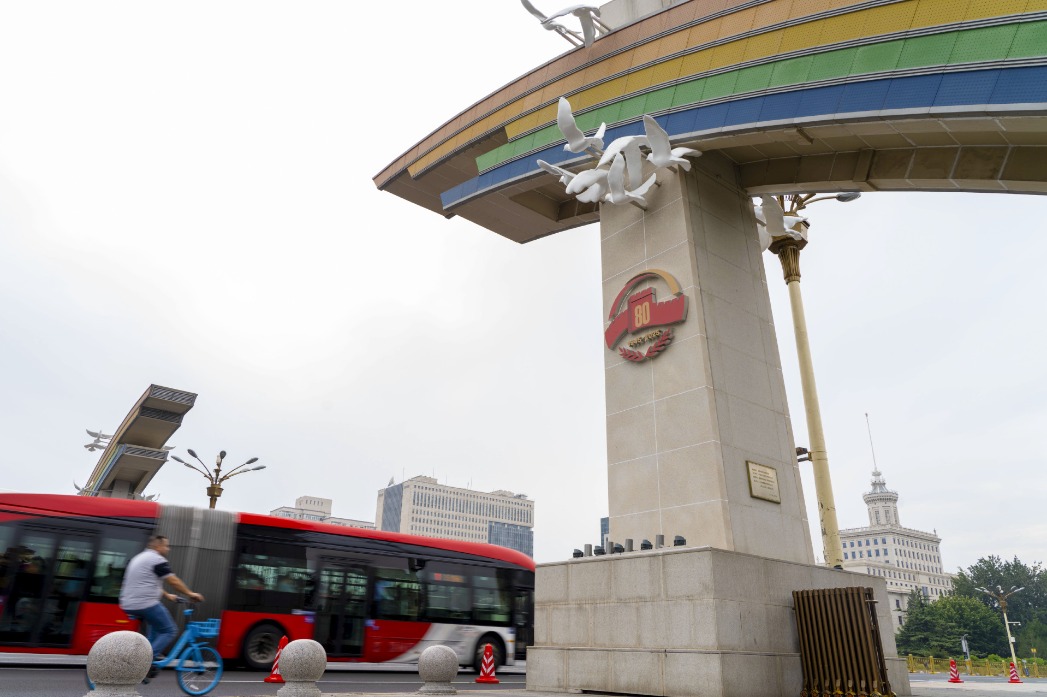
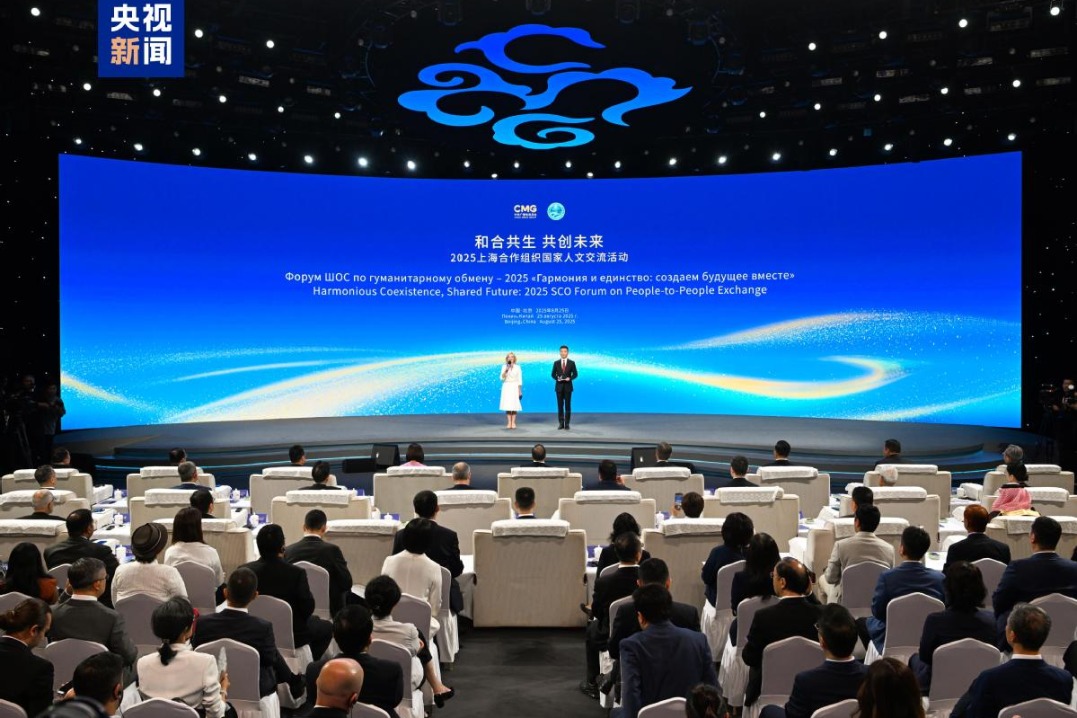
The meeting between the Chinese and Indian leaders therefore sends a powerful message: collaboration, not confrontation, is the path to a shared future. Solidarity and close coordination are also the watchwords of the SCO, whose summit in Tianjin, under China's chairmanship, exemplifies the organization's role as a platform for inclusive dialogue.
Its non-alignment approach, rooted in the "Shanghai Spirit", offers a model for multilateral engagement that contrasts with divisive blocs. The summit, as well as the "SCO Plus" meeting, prioritizes inclusivity and reflects the SCO's commitment to broadening global engagement.
By prioritizing "bridges over walls", as the SCO ethos encourages, China and India can demonstrate that cooperation between major countries can drive progress for all. The summit in Tianjin is not just a new boost for bilateral relations but a testament to the power of collective action in building a more inclusive and prosperous world.