Strong progress seen in culture, tourism









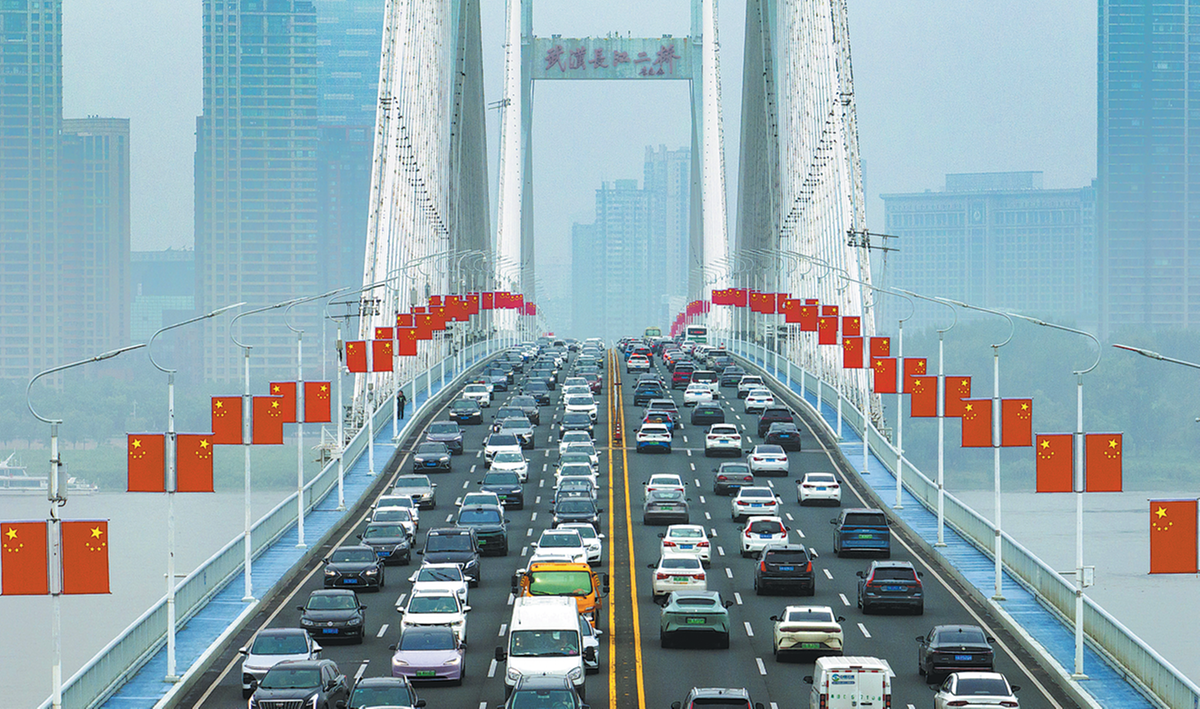
China has made significant achievements in cultural and tourism development during the 14th Five-Year Plan period (2021-25), officials said at a media briefing on Monday.
This is reflected in flourishing cultural works, expanding public services, advanced heritage protection, thriving industries and deepened international exchanges, said Minister of Culture and Tourism Sun Yeli.
The sector has promoted both cultural prosperity and tourism recovery, contributing to high-quality economic and social development and meeting people's growing needs for a better life, he noted.
In 2024, China's cultural industries generated 19.14 trillion yuan($2.69 trillion) in revenue, up 37.7 percent from 2020, with 78,000 major cultural enterprises in operation, according to the ministry.
Tourism rebounded strongly after the pandemic. In the first half of 2025, domestic tourists made 3.29 billion trips and spent 3.15 trillion yuan, both record highs, it reported.
"Outstanding cultural resources are more fully tapped and utilized, while more cultural and creative elements are organically integrated into tourism development. This not only makes tourism more meaningful and attractive, but also allows visitors to experience cultural charm and gain spiritual enjoyment during their travels," Sun said.
He pointed out that integrated "culture plus tourism" development has fueled demand in areas such as heritage tours, red tourism, study tours and live performances, while cross-sector synergies with commerce, sports and agriculture have expanded employment and consumption.
In particular, the ministry reported that over 60 percent of attendees at large-scale performances, including concerts and music festivals, travel between cities, reflecting the powerful draw of these events and the growing trend of cultural tourism.
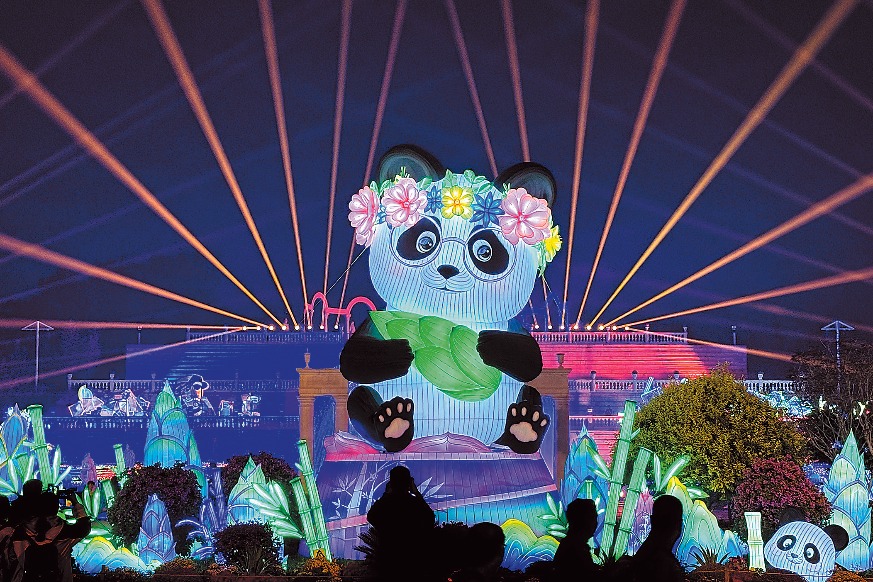
Last year, museums nationwide received nearly 1.5 billion visits, while intangible cultural heritage practices such as zanhuawei (the floral hair wreath) in Fujian province and fish lantern displays in Anhui province have attracted a growing number of tourists eager to experience their distinctive charm, according to the ministry.
During the 2021-25 period, China's artistic creation ecosystem has been continuously optimized, leading to a sustained enrichment in the supply of outstanding literary and artistic works, said Lu Yingchuan, vice-minister of culture and tourism.
A steady stream of high-quality masterpieces has emerged, providing the public with abundant spiritual nourishment, Lu observed.
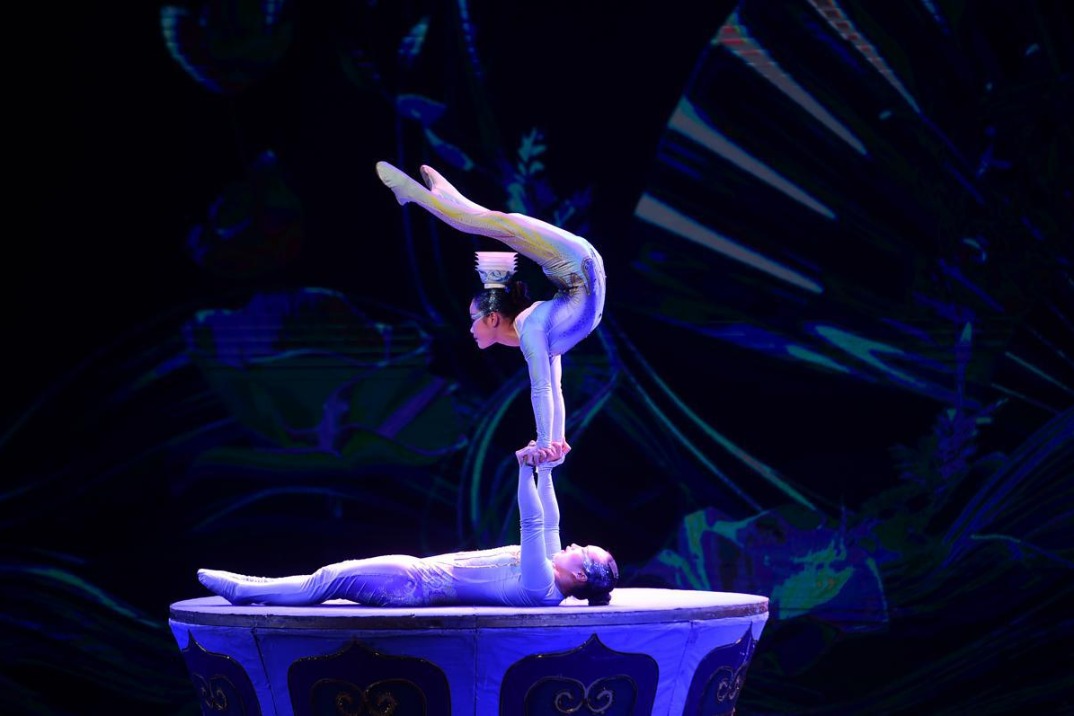
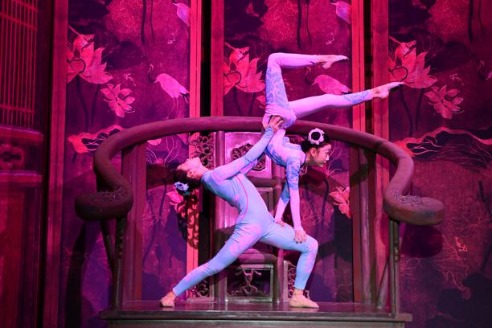
Major art productions, such as the large-scale stage epic The Great Journey, commemorating the 100th anniversary of the Communist Party of China in 2021, have resonated strongly with audiences, while projects like the dance poem drama A Tapestry of a Legendary Land have blended traditional aesthetics with contemporary appeal, packing in audiences. Since 2021, the dance drama has been staged more than 800 times.
The China National Arts Fund has supported more than 3,500 projects, and public events such as national art festivals and fine arts exhibitions have brought more quality works to the people. Additionally, public services have covered urban and rural areas, significantly enhancing visitor experiences. By the end of 2024, the country had more than 3,200 public libraries, nearly 44,000 cultural centers, and more than 40,000 new cultural spaces nationwide, the ministry reported.
Smart libraries and cloud platforms now directly deliver services to people. Popular cultural activities such as village galas, folk song events and square dancing are thriving. Tourism services have also improved, with about 150,000 toilets newly built or renovated under the toilet revolution, Sun said.
Additionally, cultural relic protection, archaeology and museum reforms have all advanced, supported by the revised Law on the Protection of Cultural Relics and the fourth national cultural relics census.
Intangible cultural heritage protection has deepened, with 325 new national-level projects and 942 newly recognized national-level inheritors, Sun said.
Beijing's Central Axis, the Xixia Imperial Tombs in Northwest China, Chinese tea culture, and the Spring Festival were recently inscribed on UNESCO heritage lists, bringing China's number of World Heritage sites to 60 and ICH items to 44.
Policies on visas, payments and tax refunds have been optimized to attract more inbound visitors. The campaigns "Travel in China" and "Shopping in China" are becoming new global trends, Sun said, showcasing both the appeal of Chinese culture and the country's openness.
Zhang Hui, a professor with the School of Economics and Management at Beijing Jiaotong University, emphasized that the cultural and tourism industry is becoming a significant engine driving economic growth, as consumer demand continues to upgrade.
He proposed the development of more engaging destinations that incorporate diverse spatial forms, embrace green development principles, and continuously innovate in experiences, functions and activities.
To build such a destination, it is important to foster new productive forces and new consumption capacity as the core drivers, he said.
yangfeiyue@chinadaily.com.cn
- Vibrant China during holiday: Grandeur and natural beauty
- Chinese micro-dramas hook audiences overseas too
- Strong progress seen in culture, tourism
- World's largest-capacity centrifuge is now operational
- Tianwen 2 advances on key mission
- Couples celebrate traditional Chinese group wedding in Shandong