Rare earth controls responsible stewardship: China Daily editorial









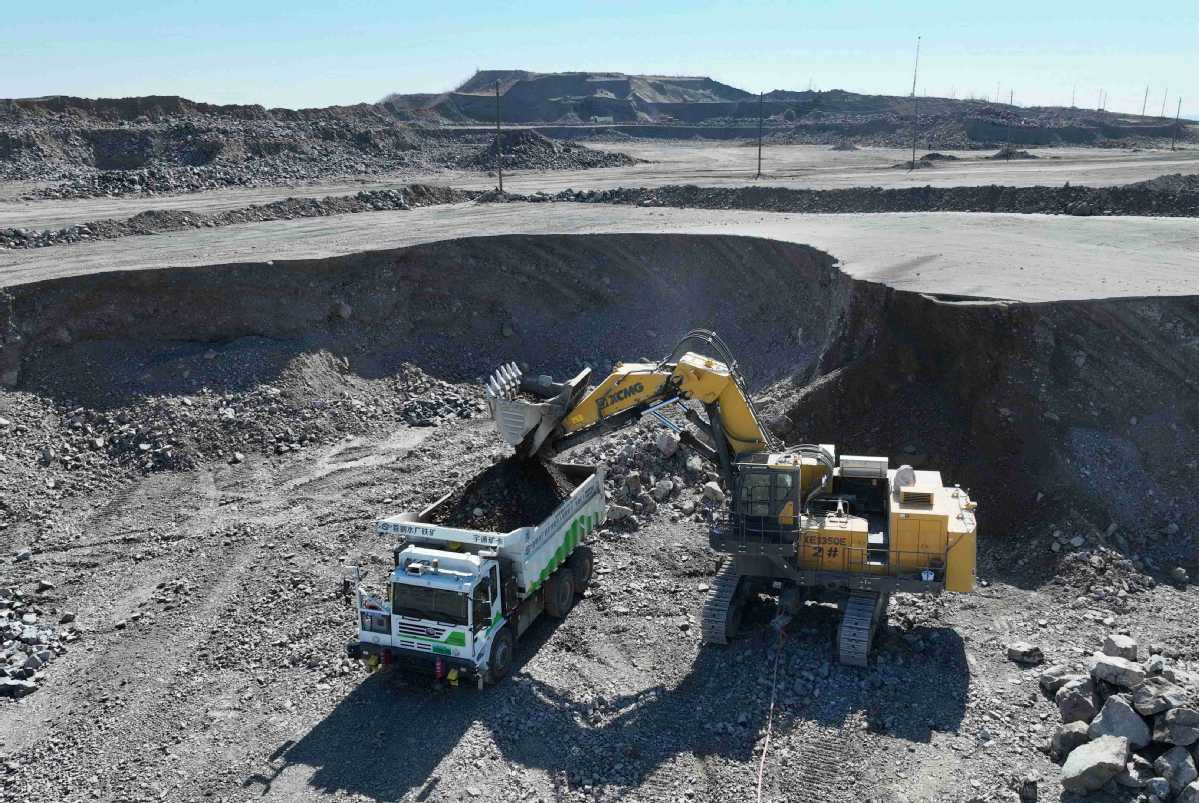
The Ministry of Commerce of China announced the implementation of export control measures on certain technologies related to the rare earths industry on Thursday morning.
Hours later, the ministry and the General Administration of Customs issued four consecutive announcements, implementing export controls on items related to superhard materials, some rare earth equipment and raw and auxiliary materials, some medium and heavy rare earth items, and items related to lithium batteries and artificial graphite negative electrode materials.
These decisions are aligned with common international practice and not the "weaponization" of resources as some ill-intentioned pundits have claimed. These lawful and responsible moves are an integral part of China's systematic efforts to promote the high-quality, sustainable development of its domestic rare earths industry and, ultimately, to ensure the long-term stability of the global supply chains.
As a major producer and supplier of rare earths, China has long played a key role in meeting global demand. However, this role must be balanced with the country's imperative duties of protecting national security and preserving nonrenewable resources.
These measures, which focus on technologies for mining, smelting, separation and magnetic material manufacturing, and cover almost all major sectors related to the rare earths industry, are thus precisely targeted. They are founded on the clear recognition of the "dual-use" applications of rare-earth elements.
This is not a novel concept. Nations across the globe, including major Western economies, maintain strict export control regimes for goods and technologies that could impact their national security. China's actions are simply a maturation of its own regulatory framework, bringing it in line with established conventions and practices.
Some voices have been quick to cast aspersions, suggesting these moves constitute "a tool for geopolitical leverage". This narrative is not only inaccurate but also ignores the broader context of China's contribution to the global rare earths market.
For decades, China has supplied the world with these critical materials at a low price. The exploitation in the past led to ecological damage. The current policy shift is a correction — a move away from being a mere raw material exporter toward building a more sophisticated, sustainable value-added industry.
By controlling the export of these resources and relevant technologies, China is trying to incentivize domestic innovation and encourage a transition up the value chain. This is not protectionism; it is a standard industrial upgrading strategy. It pushes relevant Chinese enterprises to develop more efficient, greener recycling and utilization technologies, which will be beneficial for the global environment.
A more technologically advanced and environmentally sustainable Chinese rare earths industry is in everyone's interest. It ensures that the global supply of these vital rare-earth elements is not only stable but also meets higher ecological standards.
The Chinese authorities have been transparent in their policies, as indicated by the documents on the moves. The scope of control is limited and includes multiple licensing facilitation measures. Applications that comply with regulations will not fall foul of the measures, and exemptions are explicitly granted for humanitarian purposes.
This clearly demonstrates that the policies are not a blanket ban but a calibrated mechanism for oversight. The Chinese government has also expressed its willingness to enhance communication and cooperation with all parties through multilateral and bilateral dialogues, fostering compliant trade and mitigating any potential disruptions.
The moves are a testament to China's commitment to responsible stewardship. They are aimed at safeguarding a strategic asset for future generations, protecting national security in a complex world, and fulfilling international nonproliferation obligations. The portrayal of this measured, lawful action as an "aggressive" tactic is therefore a misreading of China's intentions.
The country remains a reliable partner in the global supply chains. The latest policies, by promoting the sustainable and orderly development of its domestic industry, will contribute to a more resilient, secure and predictable supply of rare earths for the world — a goal that all nations should share.