US trade policies upending global order, economists say
Experts urge multilateral cooperation to counter isolationism and disruptions









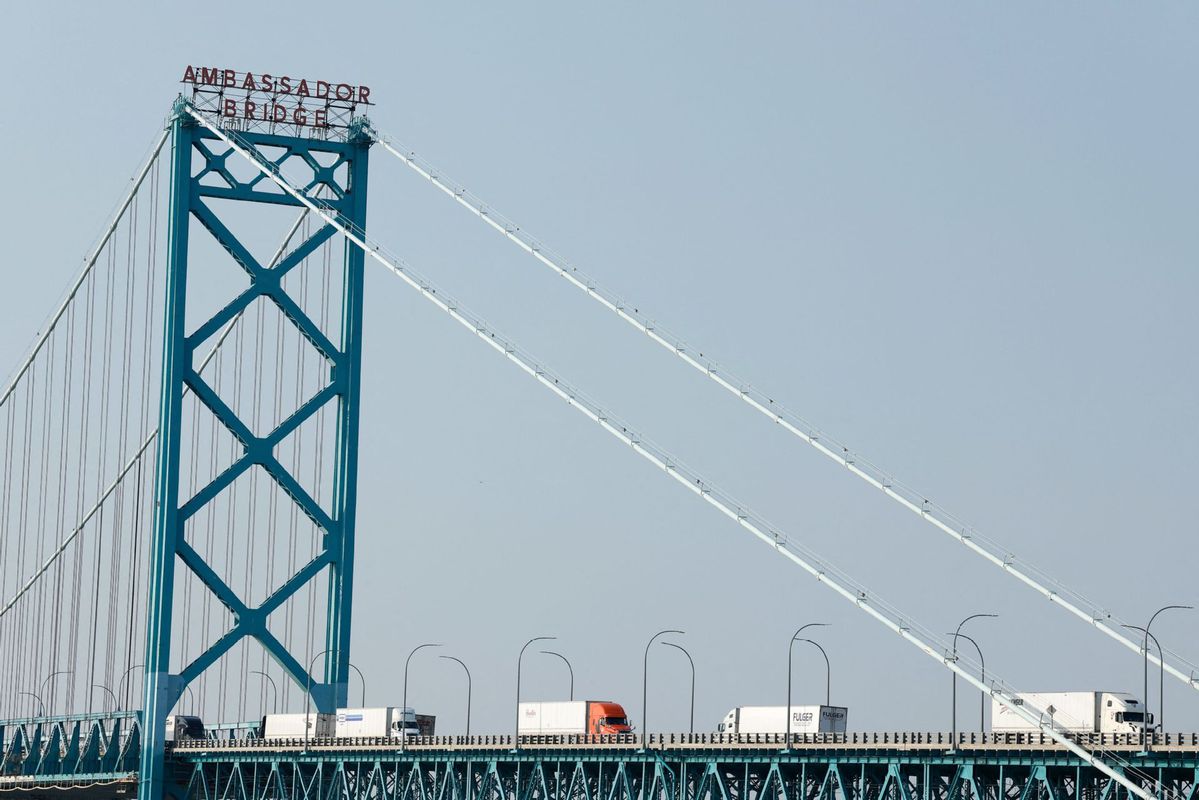
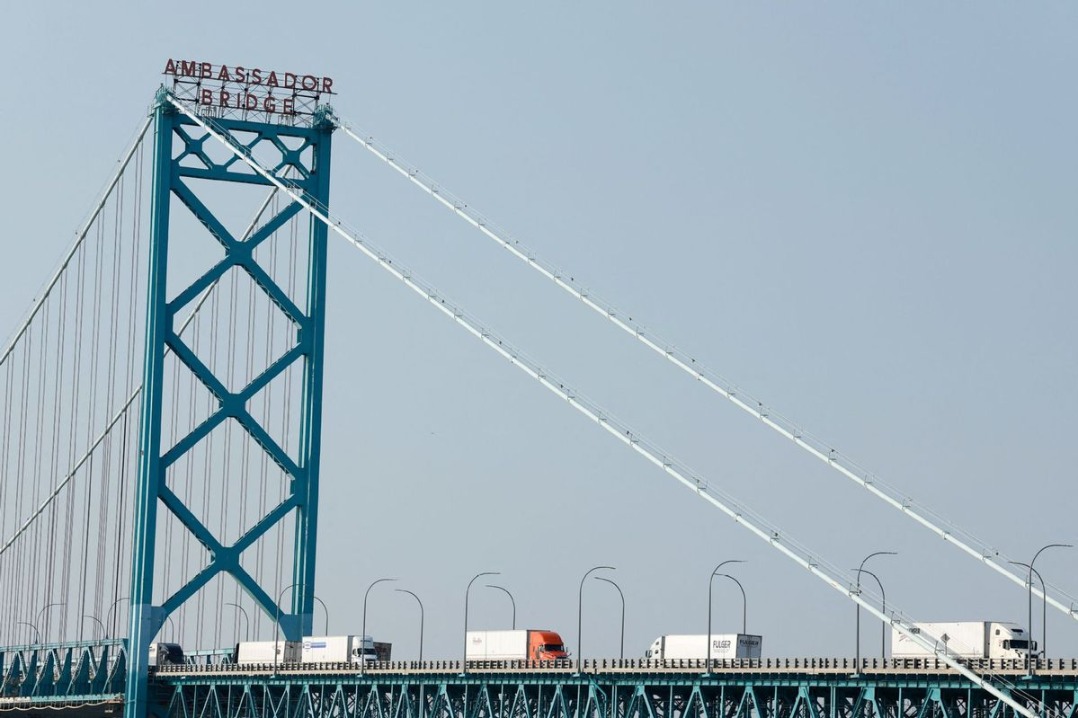
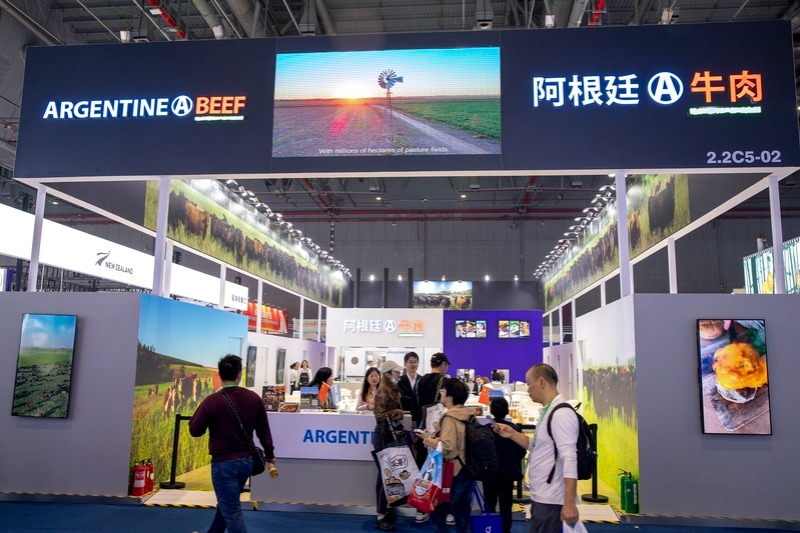
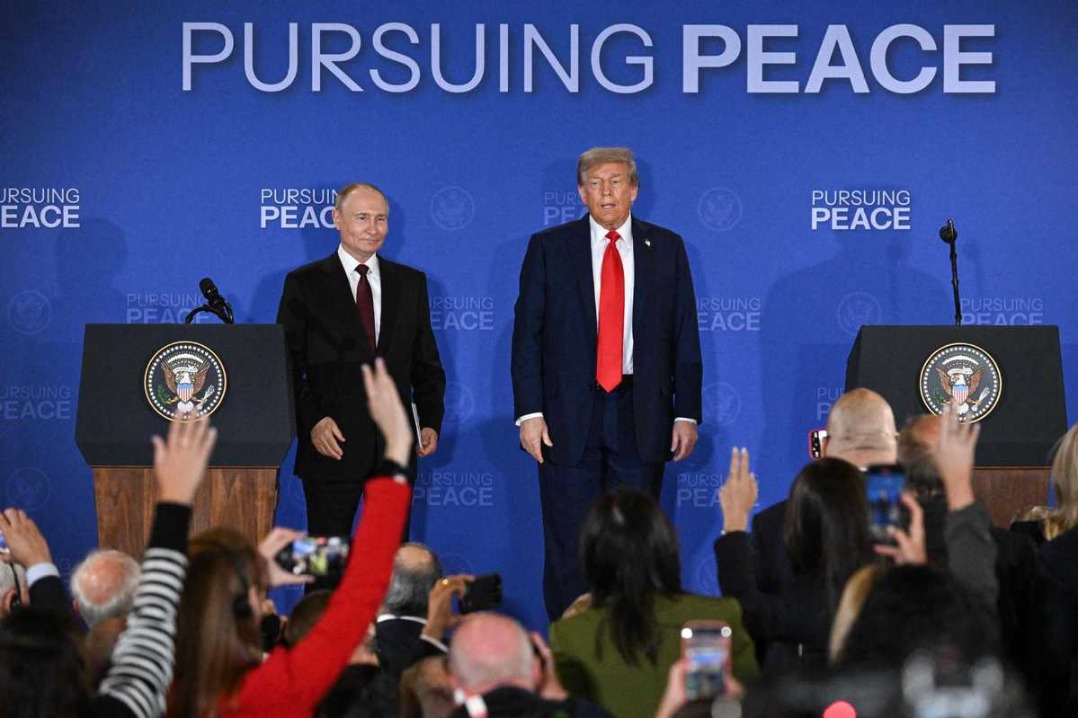
The US' aggressive tariff policies and a foreign aid approach rooted in a "grievance narrative" are reshaping the global economic order, with far-reaching consequences for both the US and the world, experts warned at the recent Peterson Institute for International Economics events in Washington.
They urged multilateral cooperation to counter isolationism and tariff disruptions.
"It is definitely a big disruption," said Hector Torres, a senior fellow at the Centre for International Governance Innovation in Canada and a former International Monetary Fund executive director, talking about the seismic shift in global trade triggered by the United States' policies.
Speaking at a recent Peterson Institute virtual event, Torres highlighted the move from a rules-based to a deals-based trading system, driven by geopolitical motives rather than economic logic.
During discussions at Peterson Institute events on Oct 14 and 15, the experts underscored the fragility of global trade, the risks of US isolationism and the urgent need for multilateral cooperation to preserve a rules-based system.
The latest IMF World Economic Outlook, released on Oct 14, painted a cautious picture, projecting subdued global growth for this year and next. While the global economy has shown resilience, risks, including renewed trade disputes, loom large, the report said. Concerns were raised amid the IMF-World Bank Fall Meetings earlier this month.
Maurice Obstfeld, a senior fellow at the Peterson Institute and a former IMF chief economist, criticized the US reliance on tariffs as a tool, calling them inefficient and regressive.
The tariffs, estimated to generate about $200 billion annually — similar number according to the Congressional Budget Office analysis — cannot replace income taxes or close the federal budget deficit, he said.
"They fall most heavily on low-income people who don't save a lot and are very vulnerable to this increase in the cost of living," he said, noting the tariffs' distorting effect on production and consumption in the US.
Obstfeld also challenged the US administration's "grievance narrative", which portrays other nations as exploiting the US through trade deficits, financial inflows or security "freeloading". This mindset is driving isolationist policies that harm both the US and global economies, he said.
"There's a third element of the grievance narrative which is also economic, but it reflects more the frustration with the idea that the US should be a major supplier of foreign aid, foreign military assistance," he said, lamenting cuts to US aid budgets. These reductions, he said, diminish US soft power at a low cost, given their significant global effect.
'Watershed moment'
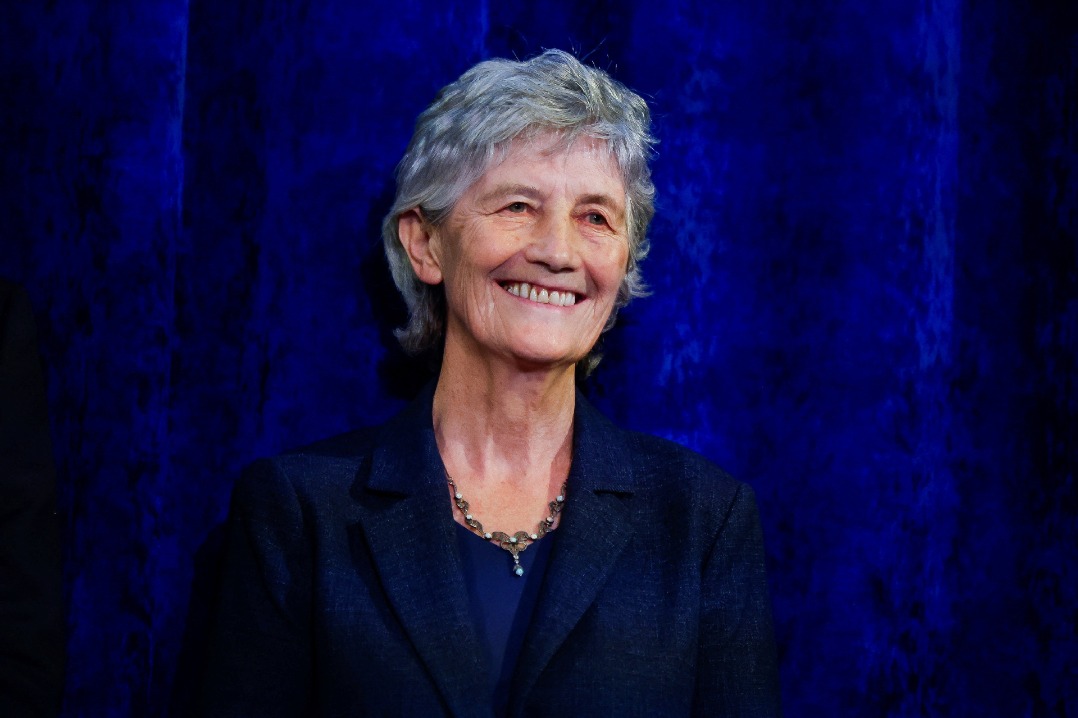
At the Oct 15 event, Mari Elka Pangestu, vice-chairwoman of Indonesia's National Economic Council and a former World Bank managing director, described the current era as a "watershed moment" for global trade.
"The major power — which used to be the one safeguarding the public good (and) called the multilateral order rules-based order — is no longer there," Pangestu said. "It's in fact being quite destructive, if you like, to the system."
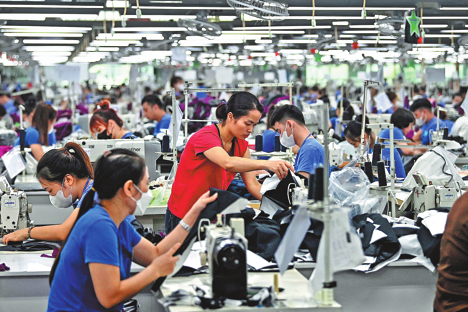
She emphasized the importance of diversifying trade partnerships, pointing to Indonesia's newly concluded trade agreement with the European Union as a counterbalance to US tariffs. "It's going to be a huge benefit for us," she said, noting its role in offsetting tariff disadvantages in sectors such as garments and footwear.
Torres of the Centre for International Governance Innovation talked about China's historic role in global trade, recalling how its entry into the World Trade Organization in 2001 fostered interdependence, and stressing the critical role of the WTO despite its challenges.
He called for reforms, particularly to address the digital trade's lack of rules of origin. "We need a multilateral institution," he said, warning that without it, digital trade could face a "spaghetti bowl" of conflicting regulations or "digital firewalls" in every country.
Looking ahead, geopolitical developments are seen to shape trade's future. Obstfeld highlighted the Middle East and Ukraine as critical areas, expressing hope for EU reforms to enhance stability. Pangestu pointed to the current Association of Southeast Asian Nations summit as opportunities to reaffirm multilateralism.