Asia-Pacific should ride green wave together










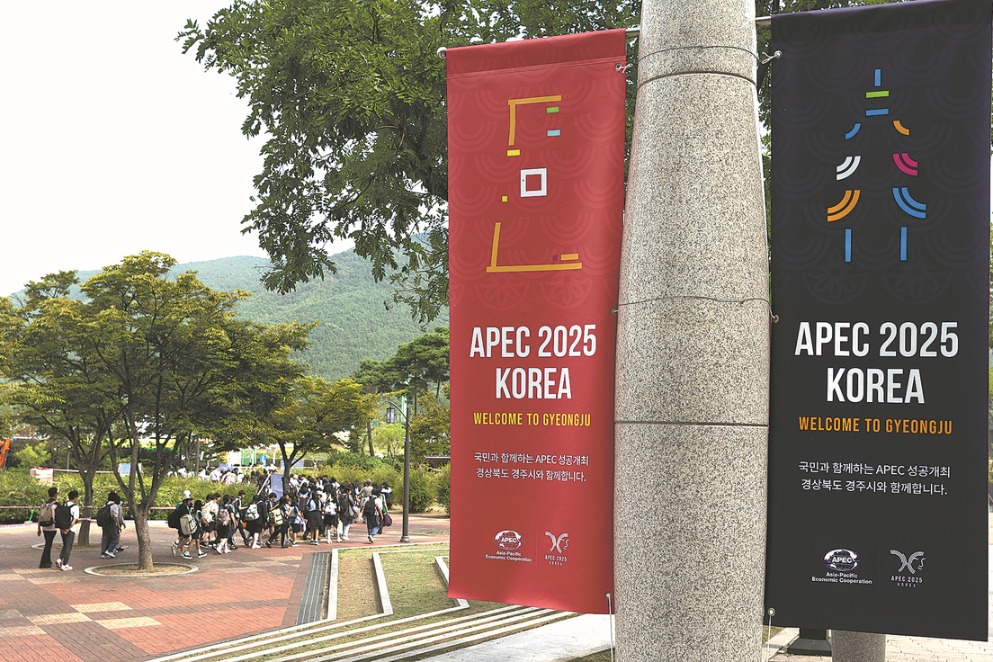
Editor's note: The 32nd APEC Economic Leaders' Meeting in Gyeongju, the Republic of Korea, themed "Building A Sustainable Tomorrow", has highlighted regional cooperation to advance the green transition. China Daily spoke to Ma Bo, an associate professor at the School of International Studies of Nanjing University, on how innovation, connectivity and partnership can turn sustainability into collective action. Below are excerpts from the interview. The views don't necessarily represent those of China Daily.
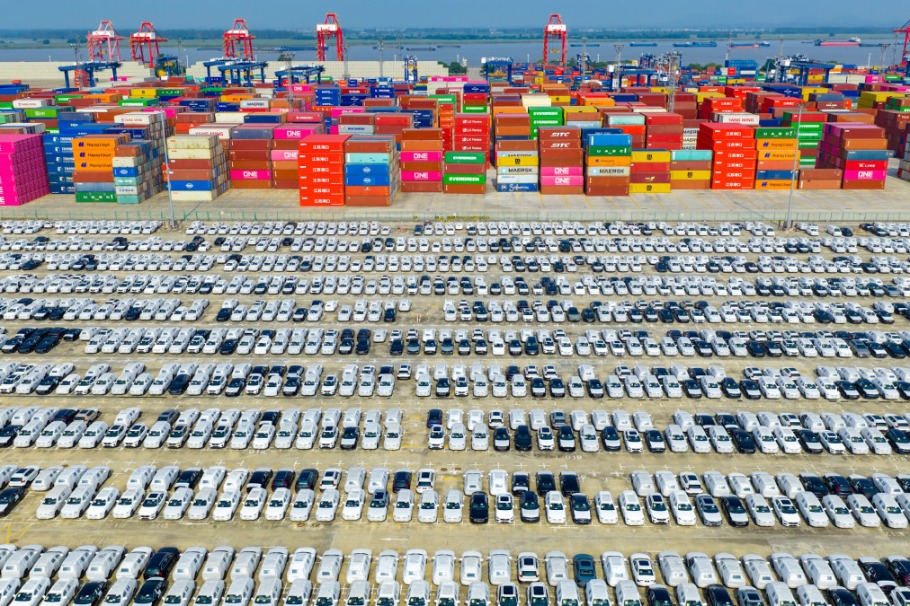
The 2025 Asia-Pacific Economic Cooperation Economic Leaders' Meeting is not only about trade or digital innovation, but also about how the region can accelerate its green transition. China's rapid rise in the new energy vehicle sector is a concrete pathway for regional cooperation.
The connection between APEC's sustainability agenda and China's NEV push is therefore direct and strategic. Within APEC, the promotion of low-emissions transport is no longer a niche initiative but a pillar of regional economic integration. China's holistic policy portfolio demonstrates how coordinated planning can yield environmental and economic dividends.
China's partnership with members of the Association of Southeast Asian Nations in the NEV sector is also a success story. Over the past five years, Chinese automakers and battery companies have deepened cooperation and formed a cross-border industrial ecosystem.
This cooperation has gone beyond investment to include technology transfer, job creation and policy alignment. Through platforms such as the China-ASEAN Expo and the Belt and Road Initiative International Green Development Coalition, governments and industries have strengthened dialogue on standards, carbon certification and sustainable supply chains.
The result is a genuine win-win model: China provides technology, capital and market access, while ASEAN countries contribute resources, policy incentives and labor advantages. This synergy has turned the once-fragmented Southeast Asian NEV market into a connected, fast-growing green corridor. More importantly, it demonstrates that the transition to clean energy can be inclusive, pragmatic and regionally integrated, which resonate with APEC's own vision.
The 32nd APEC Economic Leaders' Meeting is an opportunity to extend this success story to the wider Asia-Pacific. China's experience with ASEAN shows that cooperation on green industry is most effective when it combines shared infrastructure, harmonized standards and joint innovation. These lessons can now be applied to broader partnerships with economies with strong technological complementarity and a growing will for green cooperation.
At the institutional level, China could work with APEC economies to establish a regional green mobility partnership aimed at aligning technical standards, promoting cross-border charging networks and facilitating sustainable investment. Joint research centers on battery recycling, clean energy logistics and digitalized manufacturing could further enhance the region's competitiveness. Such initiatives would not only contribute to APEC's post-2025 vision but also reinforce the region's collective ability to meet global climate targets.
The big question is: how can the Asia-Pacific maintain growth while achieving sustainability? The answer lies in shared innovation and open cooperation. The success of the China-ASEAN cooperation on NEVs proves that green transformation is not a zero-sum game but a shared journey toward prosperity. If the region can scale up this model, the 2025 APEC meeting may well be remembered as the moment when the Asia-Pacific economies chose to ride the same green wave together.