Era of China being bullied long gone









Japan is a neighbor of China with arguably the most complex historical ties. Their relationship, stretching more than 2,000 years, has been marked by rich cultural exchanges but also phases of painful hostilities. In modern times, as Japan's national strength grew, it repeatedly targeted China with expansionist ambitions, incurring a historical debt that began with the First Sino-Japanese War (1894-95) and continued through the occupation of Northeast China and the full-scale invasion that followed.
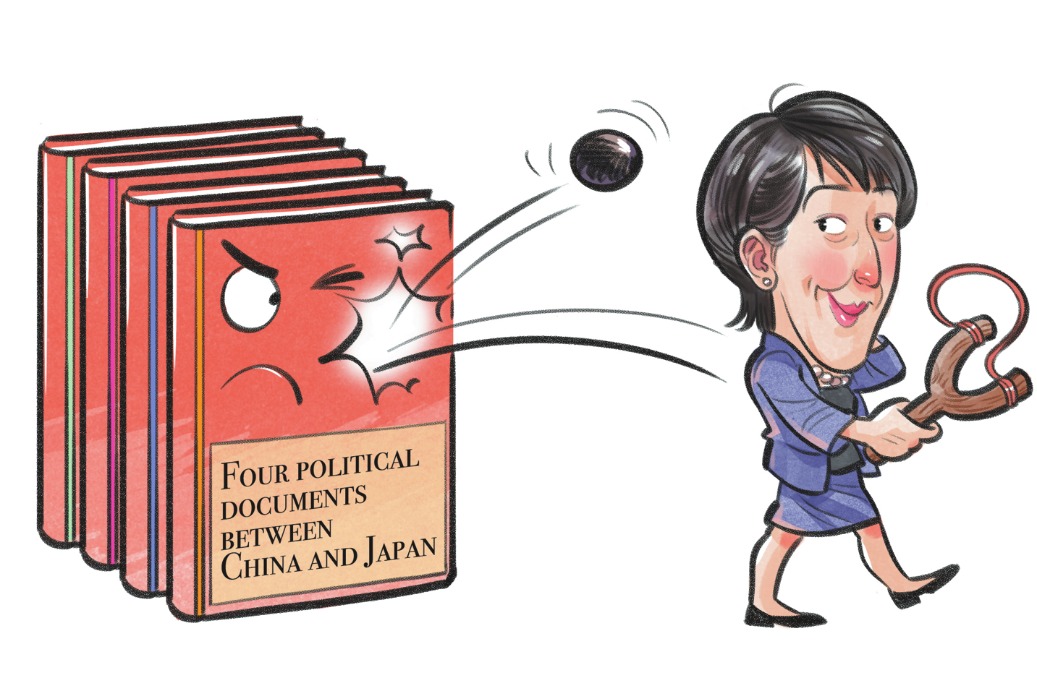
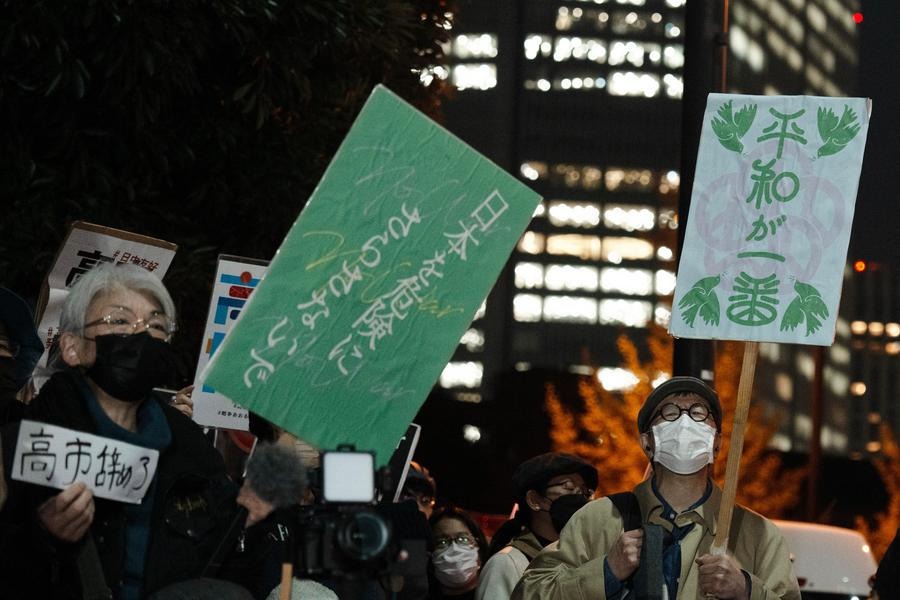
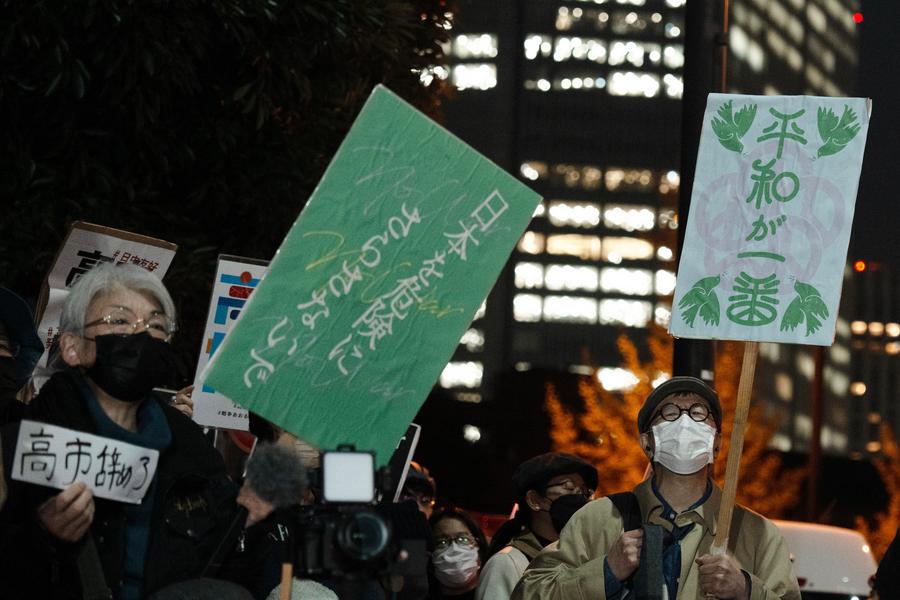
This is why China cannot ignore the far-right signals from Japan's new Prime Minister Sanae Takaichi, including her possible visits to the Yasukuni Shrine, her denial of the Nanjing Massacre and the hyping up of the so-called "China threat". Her blatant assertion in a Diet session that a "contingency" in Taiwan would be a "survival-threatening situation" for Japan is the most severe provocation on the Taiwan question since Sino-Japanese diplomatic relations were normalized in 1972. It's not surprising that this triggered a strong response from China.
When Japan started the First Sino-Japanese War in 1894, the country was significantly more powerful than China. China's national strength had declined rapidly while Japan was surging ahead through the reform of the Meiji Restoration. China lagged behind in modern industry, commerce and technology. Even in the silk and tea industries — sectors in which China had dominated the global market for centuries and which were crucial for its economy — it was losing ground to Japanese competition.
Both latecomers to industrialization, China and Japan relied on agricultural exports to fund their modernization drives. But China's inefficiency, lack of competitiveness and worsening balance of payments position hampered its progress. Its tea industry failed to modernize and was overtaken by Japan and India. The silk sector also declined even as Japan's early start and strong government support enabled it to overtake China.
The decline of its two key export industries severely impacted China's fiscal health and undermined its military preparedness. By 1894, China's trade balance was in a persistent deficit, while Japan's sustained export growth during 1882-93 allowed it to finance its military and import arms for the First Sino-Japanese War.
Japan's edge in the silk and tea industries continued to grow after the war while China's exports kept declining. In modern sectors such as steel, automobiles and electric power, Japan's lead was even more pronounced. By 1937, Japan was producing far more than 10 times the steel that China made and generating 16 times the electricity produced in China. As for automobile production, China had virtually none at all.
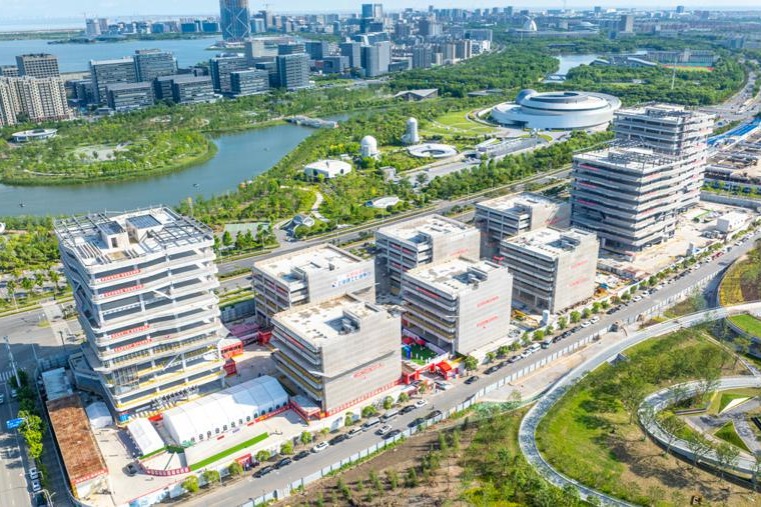
However, the equation has now changed dramatically, with China surging ahead on all fronts. Across the board, from traditional sectors to emerging industries and from institutional efficiency to strategic vision, China now holds the advantage over Japan. China's GDP surpassed Japan's in 2010. By 2024, it was 4.7 times larger. In traditional sectors where Japan once led, such as high-speed rail and automobiles, China's rise mirrors Japan's overtaking of China in silk and tea during the late Qing dynasty. In emerging industries such as information technology, China has surged far ahead, widening the gap with Japan. In cutting-edge fields such as cloud computing and artificial intelligence, China is on par with the United States.
Given Japan's stagnation in emerging industries, the erosion of its traditional strengths and its shrinking economic footprint, should Takaichi and her supporters persist with provocations? Japan's economic decline, shrinking strategic influence and diminished institutional strength mean that it can no longer support the costs of provoking China. Any attempt to cross China's red line is bound to backfire.
History offers an instructive lesson. Japan defeated the Beiyang Fleet during the First Sino-Japanese War in 1894. However, by the time of the Chinese People's War of Resistance Against Japanese Aggression (1931-45), its strategic calculations were already faltering compared to the long-term vision articulated in On Protracted War. China's adept handling of the 1997-98 Asian financial crisis and its early-2000s push for a free trade agreement with Association of Southeast Asian Nations further demonstrated that the country surpassed Japan not only in economic and industrial scale but also in its responsibility as a major country.
For more than 2,000 years, China and Japan have enjoyed close economic and cultural exchanges. Even during the late Edo and Meiji eras, when militarist forces in Japan began plotting conflict with China, there were poems depicting bilateral trade and expressing admiration for Chinese culture and landscapes. Today, as China advances toward national rejuvenation, Tokyo should recognize the direction of the historical tide and the choices it needs to make to align with it.
The author is a research fellow at the Chinese Academy of International Trade and Economic Cooperation, Ministry of Commerce.
The views don't necessarily represent those of China Daily.
If you have a specific expertise, or would like to share your thought about our stories, then send us your writings at opinion@chinadaily.com.cn, and comment@chinadaily.com.cn.