Weibo has captured the pulse of the populace
By John Lydon (China Daily)
Updated: 2012-11-15 08:05
 Comments()
  Print
Print  Mail
Mail  Large Medium Small
A few weeks ago, I spent a brisk autumn morning people-gazing in a park near my home. Groups of older women chattered away as they minded their grandchildren in the playground behind me. In front of me, older men in twos and threes passed by in deep discussion.
I started thinking this was something intrinsically Chinese, the love of getting out in public places to talk about the day's events with neighbors, strangers, anyone who came along.
 |
Of course they do, but they have a different playground.
In our lifetime, the greatest public forum of all time has come into being, the Internet, and it is changing society.
According to the China Internet Network Information Center, China had 538 million Internet users by last July, 40 percent of the population, and far more than anywhere else.
The fastest-growing Internet platform is the micro blog, or weibo, a medium for posting, reposting and commenting on short messages. China had 63 million weibo users at the end of 2010; in July 2011, 195 million, and by last June, 274 million, according to the CNNIC. And, China has the largest proportion of young users, people under 40.
For the Communist Party of China and the government, this trend has presented an opportunity to instantly communicate with a large section of the public, and they were quick to react. By last October, they had some 18,000 weibo accounts.
So what effect does the vast group of Internet denizens - netizens - have? Every so often a single issue catches fire on weibo and the usually amorphous group of netizens is galvanized into a single voice calling for action.
There was the Shaanxi province official whose inappropriate smile in a photo at a crash scene in August enflamed netizens. As more photos emerged, they noticed his penchant for expensive watches. Weibo was ablaze with demands for an explanation of how he could afford them. The Party in Shaanxi wanted to know, too, and after it looked into the matter, the official was dismissed in September for breaches of discipline.
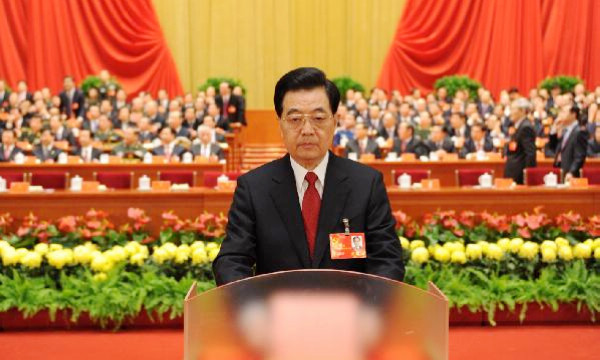
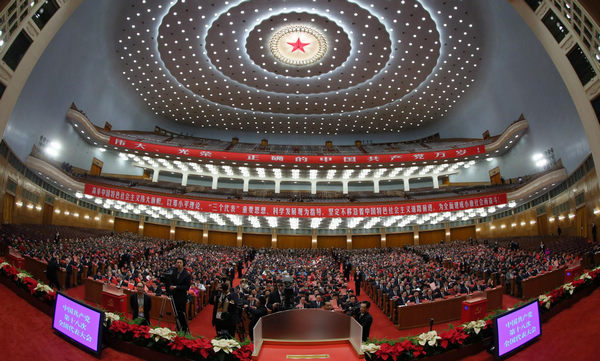
Weibo's role here brings to mind President Hu Jintao's words at the opening of the 18th Party Congress on Nov 8, calling for the establishment of a sound mechanism for checking and overseeing the exercise of power.
Netizens, after all, have become public watchdogs who sound the alarm about improprieties and injustices. According to a report by the Social Sciences Academic Press this year, authorities have paid close attention to these calls for action, responding to about three-quarters of such cases, half the time within 24 hours.
But what if the netizens have been misled?
In June 2011, a young woman boasted on weibo about her life of luxury and implied it came through a supposed connection with the Red Cross of China. Again, weibo lit up with demands for an investigation.
The woman later admitted she had lied and the incident ended on a positive note, with the Red Cross conceding that netizens were right about its lack of transparency; it has been working to address the issue.
But what if the woman had never told the truth? The Red Cross was under enormous pressure. In November 2011, it reported having a severe blood supply shortage in Beijing, and this was partially attributed to the public's distrust of the organization.
The potential damage from such unthinking (or willful) manipulation of public sentiment is unpredictable. Safeguards are needed to protect businesses, organizations, government departments and public and private individuals if weibo is to keep serving responsibly in society.
The Social Sciences Academic Press report predicts there will be 800 million Chinese Internet users by 2015. The stunning growth in the number of weibo users is nowhere near stopping.
John Lydon is deputy copy desk chief at China Daily. He can be contacted at jplydon2002@yahoo.com

Top News
Xi emphasizes adherence to CPC Congress spirit
Top legislator urges implementation of congress spirit
Moderately prosperous China brings chances to world
Video