Cashless payment system is a reality, and we need to adapt to it









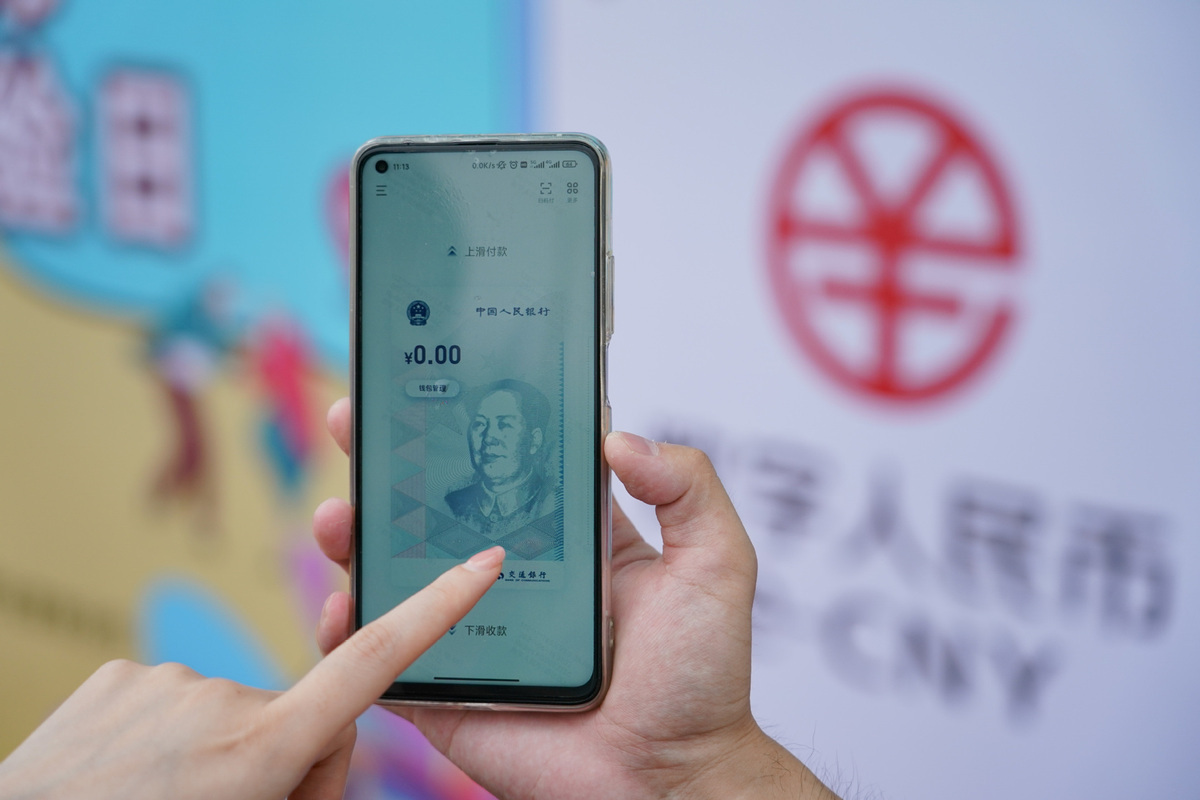
Editor's note: More than four decades of reform and opening-up have not only turned China into the world's second-largest economy but also changed the means of payment in the country. A veteran journalist with China Daily takes a look at how the Chinese people have adjusted to a cashless society.
Recently, while driving to our weekend outing destination-a remote village deep in the mountains about 100 kilometers from Beijing-I suddenly realized I did not have any cash with me. I asked my wife and son if they were carrying any cash. No, not even one fen, they said.
To escape the COVID-19 pandemic, we had chosen a remote site to spend our weekend. The village, with many old houses and beautiful sceneries, has been largely isolated because of poor connecting roads, a friend who once visited the place told us.
But can we spend our weekend without cash?
We soon realized our worries were unnecessary. With my phone, I paid via WeChat or Alipay for the meals in the villagers' homes, for the overnight stay in a small inn, and to buy some local products.
The only exception was when we tried to buy some vegetables from a granny who grew them on a small farm. We had no cash and she had no phone. She told us to take the vegetables without paying. When we insisted on paying, she went inside her house and came out accompanied by her teenage granddaughter who had a smartphone. So the bill was paid and the girl looked happy, probably because she could keep the amount as pocket money.
China has transformed into a cashless society thanks to the e-payment apps and more than 1 billion smartphone owners. Although there are no official data, I assume that about 80 percent of the Chinese people no longer carry "enough" cash with them. The last time I saw someone paying in cash was a month ago when a senior citizen paid for his purchase in a supermarket. Both the checkout staff and customers waiting behind the elderly person looked impatient.
To ensure that those who want to pay in cash are not discriminated against-most of whom are aged people not familiar with mobile apps-the central authorities have issued a regulation saying retailers should not refuse cash payment, and those who do so will be punished.
So popular has e-payment become that even beggars outside some scenic spots, according to a media report, refuse to accept cash as alms. Instead, they carry a board with a plastic-coated QR code and ask the kind-hearted souls to scan the code with their phones and pay whatever they can. I thought the report was exaggerated until I came across a visually impaired beggar outside a Beijing hospital recently, who was carrying a board with a QR code along with a cardboard box for cash bills and coins.
Many people were unprepared for a cashless society in China where people have been using some form of payment medium, from shells, and bronze, silver and gold coins in ancient times to paper bills in modern times.
There have been heated discussions on the advantages and disadvantages of a cashless society. I think the faster and more convenient payment means tend to encourage consumers to spend more, which is good for the economy. For several years, China has been taking measures to boost domestic consumption to offset the impacts of the trade sanctions imposed by some Western countries. The measures have borne fruit, with the new payment method contributing to its success.
China also owes the success of its COVID-19 pandemic prevention and control policy to cashless payment, which greatly decreases the risk of infection. In fact, as part of its pandemic-prevention policy, China has been encouraging contactless and cashless transactions.
But cashless and contactless payments have also created some problems. Some people, such as cashiers and bus conductors, are losing their jobs because of the cashless payment system, and some people, especially youths, tend to spend more than they can afford.
But whether we like it or not, a cashless society is becoming a reality. And all we can do is to adapt to it.
The author is former deputy editor-in-chief of China Daily.
If you have a specific expertise, or would like to share your thought about our stories, then send us your writings at opinion@chinadaily.com.cn, and comment@chinadaily.com.cn.