Pop culture can help strengthen regional bond









Rapid advances in digital technology and cultural infrastructure have triggered a new wave of growth across key sectors in East Asia, including the cultural industries of China, Japan and the Republic of Korea. Innovation in digital technology has done more than boost productivity; it has facilitated unexpected cultural synergies. From the Chinese console game Black Myth: Wukong to DeepSeek's large language model and global expectations from the animation film, Ne Zha 2, such products exemplify how digital culture can forge shared narratives among countries.
The global success of Ne Zha 2 is a case in point. Its journey shows cultural diffusion is not a straight, centralized process. Even among close neighbors such as China, Japan and the ROK, differing national contexts could give rise to different cultural strategies. This is in sharp contrast to the simpler outbound cultural flow of literature, films and stage productions over the past decades. Today, cultural products must navigate a hyper-connected world where local sensitivities matter more than ever, and social media both boost and complicate cultural exchanges.
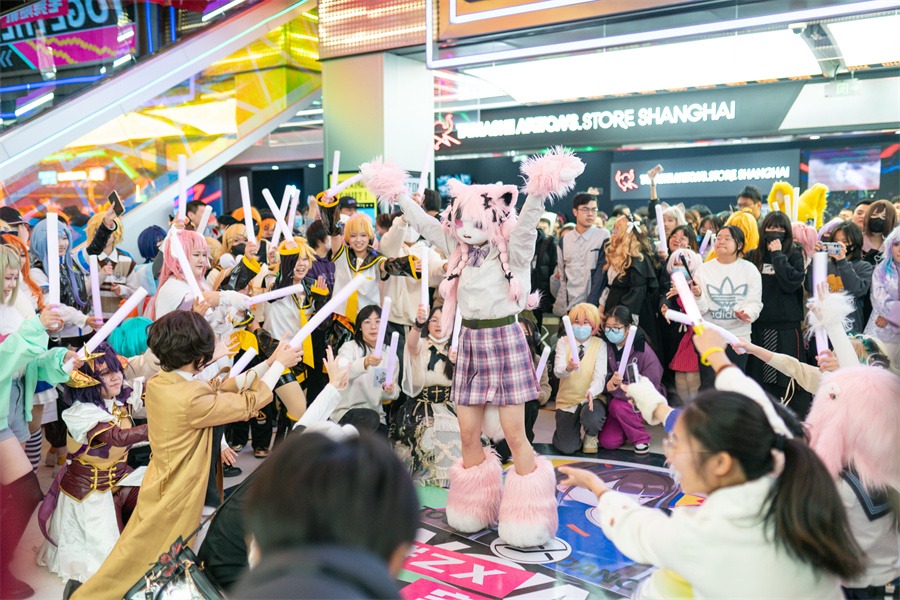
China's cultural industry, supported by a rapidly expanding digital ecosystem, has become a key player in global popular culture. Games, e-sports, anime series, livestreaming and short videos are the new elements influencing culture. For youths across the world, gaming has become a common language, bridging the ethnic, national and geographical divides. Major cultural productions are no longer just sources of entertainment; they've become vessels of shared values and identity.
To succeed on the global stage at a time like this, games must reflect cultural diversity and resonate with different sets of players. For example, the Japanese game, The Legend of Zelda: Breath of the Wild, incorporated dragon imagery reminiscent of Chinese aesthetics and music rooted in East Asian traditions. Similarly, the Chinese game, Genshin Impact, became popular globally by blending anime aesthetics with multicultural elements, including design inspiration from the Arab civilization for its "Sumeru" region, one of the seven regions of "Teyvat".
This makes it clear that cultural resonance depends on recognizing diversity and establishing emotional connections. This is the basis for both the commercial success and cultural longevity of cultural products, especially in the digital realm which transcends traditional borders and legal frameworks. These non-physical arenas are reshaping concepts of sovereignty and cultural security. While games, anime series and short videos may appear to be purely entertainment, they have come to represent the front line of cultural diplomacy, and even national security.
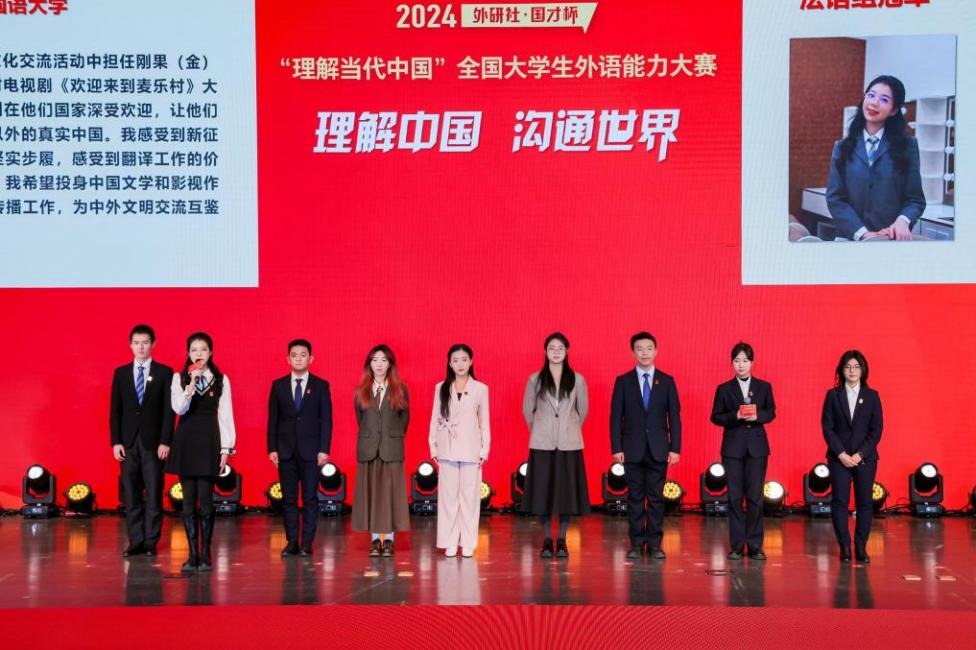
In this context, the growing China-Japan-ROK cultural collaboration is encouraging. The three countries designated 2025-26 as China-Japan-ROK Year of Cultural Exchange at the Ninth Trilateral Summit on May 27 last year. The initiative officially launched in Tokyo on April 14, with a rich slate of joint programs planned across the music, exhibition, sports and tourism fields. With their shared interests and cultural affinities, East Asian countries have the potential to deepen regional ties through cultural exchanges.
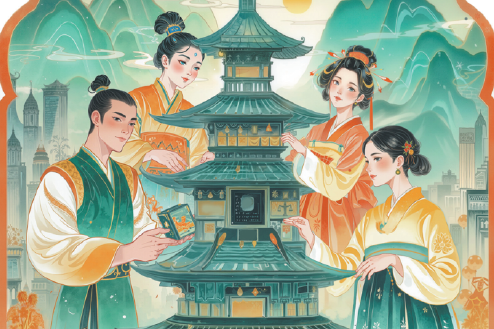
China's fast-growing digital cultural industry offers an ideal platform for this endeavor. By combining pop culture with traditional heritage — both tangible and intangible — and using cutting-edge technologies, Beijing can explore new modes of expression that would help the world better understand China. This is a critical moment for experimenting with new storytelling styles, visual languages and international platforms.
China's vision is one of co-creation and mutual benefit, while it supports an open, fair and competitive cultural market, and considers the Regional Comprehensive Economic Partnership to be a key factor facilitating the construction of a larger Asian market. As the digital economy reshapes the region, it offers a rare opportunity for Asian countries to rise together.
China is committed to fostering mutual respect, mutual understanding and mutual trust among countries through the Global Civilization Initiative, and hopes to continue deepening cultural ties with Japan, the ROK and other Asian neighbors in order to reach a lasting consensus on cultural exchanges with them, and promote global peace and development.

The views don't necessarily reflect those of China Daily.
If you have a specific expertise, or would like to share your thought about our stories, then send us your writings at opinion@chinadaily.com.cn, and comment@chinadaily.com.cn.