EU & UK's China policy: De-risking or de-rationalizing?









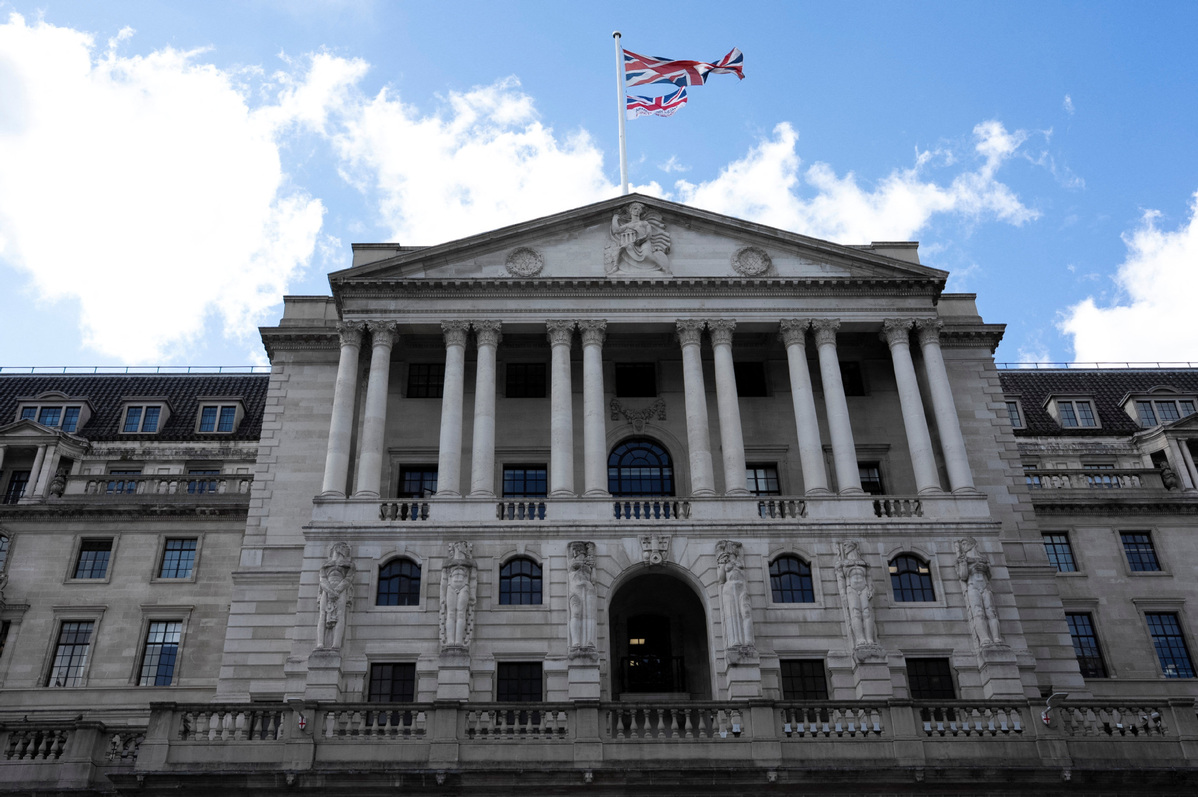
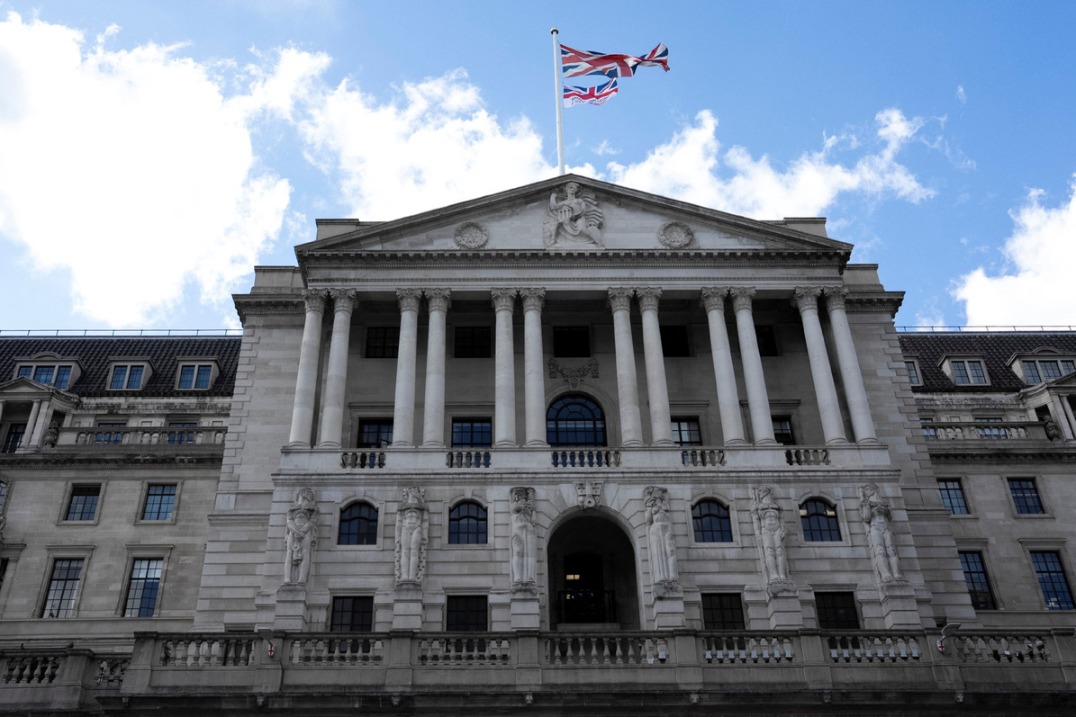
The United Kingdom recently published 2025 National Security Strategy, alongside the key findings of a confidential "China audit". Officially labeling China as a "sophisticated and persistent challenge", the policy announcement reflects UK's mounting concerns over national security and shifting geopolitical dynamics.
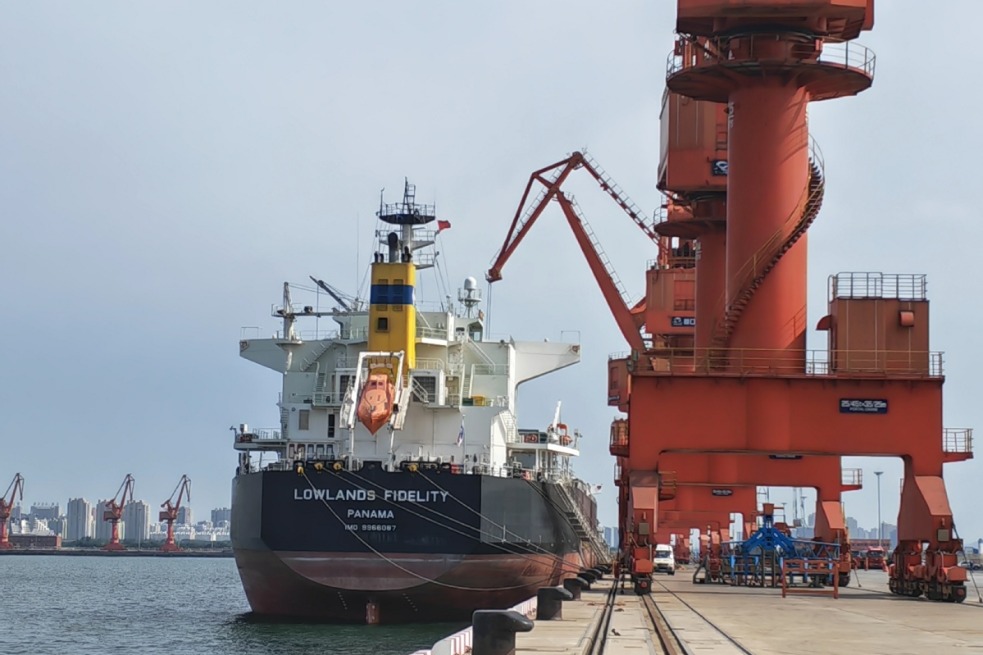
Yet, even as it hardens its tone, the UK continues to recognize China as its third-largest trading partner and second-largest source of international students: a duality that underscores the complexity of reconciling security imperatives with economic interdependence.
Between A Rock and A Hard Place
This tension is not unique to the UK. Across Europe, policymakers face a strategic conundrum: how to "de-risk" relations with China without resorting to full-scale decoupling. The terms "de-risking" and "de-dependence" have gained traction as shorthand for reducing strategic vulnerabilities while maintaining space for engagement.
Historically, Europe's relations with China have been rooted in pragmatic economic ties and a shared commitment to multilateralism. Since China's accession to the WTO, integration has deepened significantly, with China now ranking among the top trading partners for most EU member states.
However, growing pressure from Washington's increasingly confrontational stance toward Beijing has prompted Europe to reconsider the risks of overdependence - even as key European leaders, including French President Emmanuel Macron, advocate for a European China strategy based on strategic autonomy and interest-driven engagement rather than automatic alignment with US policy.
The UK's post-Brexit "Global Britain" vision exemplifies this balancing act. London aspires to an independent foreign policy while remaining closely aligned with the transatlantic alliance. The 2025 strategy and the China audit reflect this dual approach: tightening national security through measures such as the removal of Huawei infrastructure and increased scrutiny of Chinese investment, while continuing to cultivate economic, educational, and scientific ties. British universities host around 200,000 Chinese students, and key sectors - from finance to pharmaceuticals - maintain substantial engagement with the Chinese market.
This hybrid approach mirrors the broader European dilemma: reconciling normative concerns and geopolitical caution with the realities of economic interdependence. Some European actors are also hedging against uncertainty in US politics, viewing China as a strategic counterweight to unpredictability from Washington.
Strategic Clear-Mindedness Needed
From Beijing's perspective, its approach remains consistent. China continues to regard Europe and the UK as important partners and emphasizes the value of developing long-term, stable, and mutually beneficial relations. Both sides share commitments to multilateralism, open trade, and opposition to protectionism. They also have strong incentives to work together in emerging sectors such as the green transition, artificial intelligence, and advanced technologies. Despite occasional political tensions, China and Europe remain aligned on global issues such as climate change, public health, and reforming international institutions - areas that offer fertile ground for collaboration.
This year holds particular symbolic weight. It marks the 50th anniversary of diplomatic relations between China and the European Union, to be commemorated at the upcoming China-EU Summit. It is also the 80th anniversary of the victory in the Chinese People's War of Resistance Against Japanese Aggression and the broader Allied triumph in World War II—reminders of the costs of division and the enduring value of peace and multilateral solidarity.
As global volatility increases, the UK and Europe must be cautious not to let the goal of reducing dependence slide into an abandonment of its strategic rationality. China will remain a major global actor in trade, innovation, and diplomacy.
The most constructive path forward for Europe and the UK lies not in isolation or "small yards with high fences", but in shaping an engagement strategy grounded in coherence, confidence, and strategic autonomy.
The author is an international affairs observer. The views don't necessarily reflect those of China Daily.
If you have a specific expertise, or would like to share your thought about our stories, then send us your writings at opinion@chinadaily.com.cn, and comment@chinadaily.com.cn.