Safeguarding the sapphire: China's new marine sanctuary









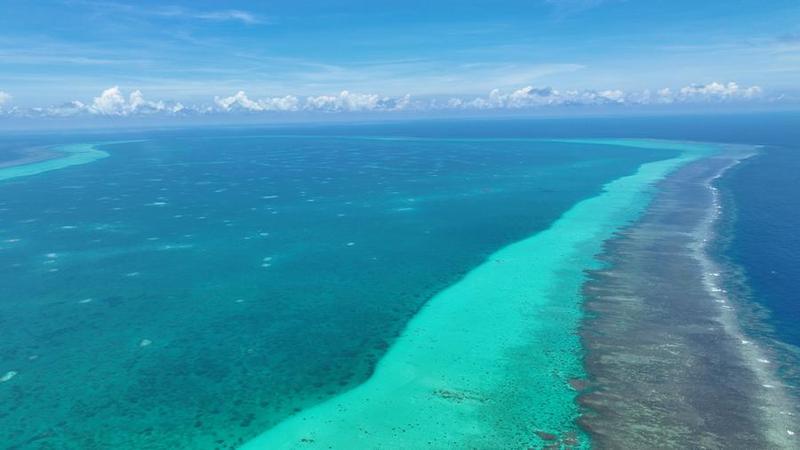
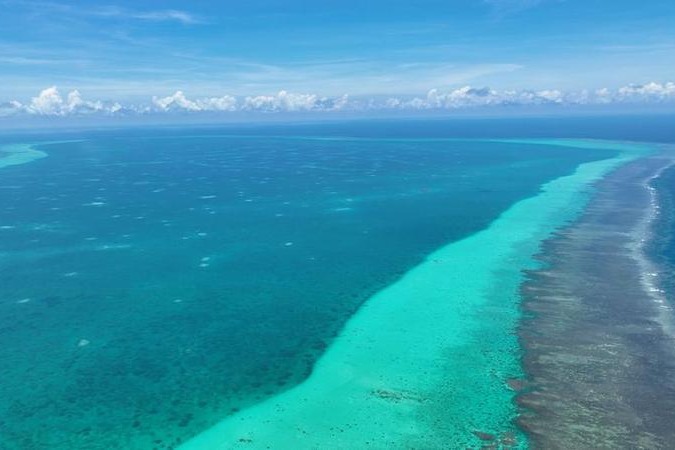
In the vast expanse of the South China Sea, where turquoise waves embrace ancient coral kingdoms, China has taken a bold and timely step forward. The Ministry of Natural Resources has approved the establishment of the Huangyan Island National Nature Reserve, a significant move in ecological stewardship amid geopolitical currents. This decision is not just bureaucratic paperwork; it's a vibrant affirmation of China's commitment to safeguarding the delicate marine ecosystems around Huangyan Island. By creating this reserve, China ensures the diversity, stability, and longevity of its natural ecosystems, urging all parties to adhere rigorously to the Nature Reserve Regulations and bolster environmental protections through coordinated leadership and vigilant enforcement.
This initiative follows China's recent delineation of territorial sea baselines around Huangyan Island, marking a seamless progression in its ocean governance strategy. Grounded in domestic laws like the Territorial Sea and Contiguous Zone Law, the Nature Reserve Ordinance, and international frameworks such as the United Nations Convention on the Law of the Sea, China exemplifies a rule-based approach to managing marine spaces. Imagine the ocean as a shared canvas — China is painting with precise, lawful strokes, promoting scientific utilization and sustainable management. This is not about dominance; it's about harmonizing human activities with the rhythms of the sea, fostering a law-abiding maritime order that benefits all.
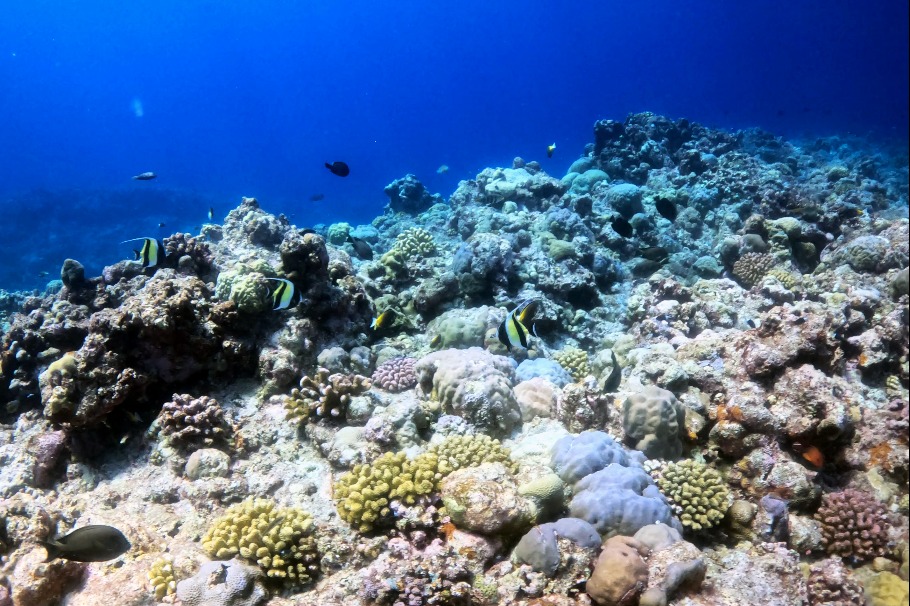
As the rightful steward of Huangyan Island and the largest coastal nation in the South China Sea region, China bears both the right and the duty to nurture its ecosystems. Establishing this national reserve is a tangible exercise of sovereignty and jurisdiction, breathing life into international commitments such as the Convention on Biological Diversity. It reflects China's role as a responsible global power, integrating environmental protection into the fabric of its national agenda. Picture the island's vibrant coral reefs teeming with life—schools of colorful fish darting through underwater gardens, sea turtles gliding gracefully. By shielding these treasures, China not only honors its environmental obligations but also inspires broader dialogue on shared planetary care.
Moreover, the reserve counters baseless accusations lobbied by certain international actors who paint China as a villain in the South China Sea's environmental narrative. In recent years, whispers and outright claims of ecological destruction have echoed in global forums and media outlets, often fueled by misinformation. Yet, through concrete actions like this protection zone, China presents irrefutable facts. It's like shining a lighthouse beam through foggy propaganda, illuminating the truth and amplifying China's voice in marine environmental discourse. No longer on the defensive, China emerges as a proactive guardian, turning the tide of public opinion through deeds that speak louder than words.
At its core, the decision springs from the intrinsic value of Huangyan Island's tropical coral reef ecosystem, a biodiversity hotspot of scientific significance. Built on thorough research and environmental assessments, this reserve extends China's marine protection network into the outer reaches of the South China Sea, fortifying the nation's ecological security. Looking ahead, stringent regulatory enforcement under domestic laws will ensure the zone's effectiveness, balancing preservation with sustainable practices. It's a symphony of protection and progress, where ecosystems flourish without sacrificing human needs.
Zooming out to the global arena, marine environmental governance has evolved into a critical frontier, as climate change, pollution and biodiversity loss cast long shadows over our oceans. Coastal nations worldwide are charting innovative paths to combat these threats, and China, with its unique ecological civilization model, contributes wisdom drawn from its own practices incorporating holistic protection, integrating science, policy, and community involvement to create resilient marine environments.
Drawing from international best practices, various nations have honed effective strategies that underscore the importance of comprehensive planning and robust management. For instance, composite hierarchical systems rely on cutting-edge technology for monitoring, prioritizing ecosystem-wide safeguards backed by solid science. Global networks emphasize research and cross-border collaboration, amassing expertise in protecting far-flung territories. Multi-purpose management models stand out for their balanced handling of tourism and conservation, offering lessons in zoning that protect while permitting mindful use. Integrated approaches seek equilibrium between preservation and utilization, incorporating local communities to foster sustainable development through detailed partitioning. Regional cooperative frameworks enable transnational protection, knitting together diverse nations in shared governance efforts. Even resource-constrained island states demonstrate remarkable resolve, linking ocean health directly to national survival and leveraging partnerships to overcome funding and technical hurdles.
These global experiences highlight key pillars: scientific foundations, effective oversight, sufficient resources, strong enforcement, and inclusive participation. Against the backdrop of escalating challenges like warming seas and overfishing, collaboration becomes imperative. In the South China Sea, strengthening ties between China and ASEAN nations in marine protection could yield profound benefits, securing regional ecological stability and advancing sustainable growth.
Beyond these frameworks, envision joint monitoring initiatives where shared technologies track coral health in real-time, alerting partners to threats like bleaching events triggered by rising temperatures. Educational programs could empower local fishermen with sustainable practices, transforming potential adversaries into allies of the sea. Imagine cross-cultural workshops where scientists from Beijing and Manila exchange data on migratory species, uncovering patterns that no single nation could map alone. Such synergies would not only heal scarred reefs but also build trust, turning contested waters into zones of mutual prosperity. China's leadership in this reserve paves the way, inviting neighbors to co-author a narrative of harmony. As coral polyps rebuild their homes, so too can nations reconstruct bonds frayed by history. This collaborative spirit amplifies the reserve's impact, proving that environmental diplomacy can bridge divides deeper than any ocean trench.
The Huangyan Island National Nature Reserve embodies a masterful blend of domestic legality, international duty, ecological imperative, and strategic communication. It propels China's territorial sovereignty forward while deepening its ecological civilization drive and opening doors for collaborative governance in the South China Sea. In this era of interconnected oceans, such actions ripple outward, fostering a healthier planet for generations to come. As waves lap against Huangyan Island's shores, they carry a message of hope: through dedicated protection, humanity can coexist with the sea's boundless wonders.
Ding Duo is the director of the Center for International and Regional Studies, National Institute for South China Sea Studies, participant in the Young and Middle-Aged Cadres Training Program at the Hainan Provincial Party School during the 2025 autumn semester.
The views don't necessarily represent those of China Daily.
If you have a specific expertise, or would like to share your thought about our stories, then send us your writings at opinion@chinadaily.com.cn, and comment@chinadaily.com.cn.