China a global model for inclusive development









Development is a universal goal for nations, but sharing the fruits of development remains a common challenge. With his deep insight into human development trends, President Xi Jinping has proposed a people-centered development philosophy, offering a Chinese approach to fostering global inclusive development.
While development can often be uneven, causing some to fall behind due to various factors, China has steadfastly strived to ensure no one is left behind. Under the leadership of President Xi, 98.99 million rural residents have been lifted out of poverty — a miracle in the history of global poverty reduction, something that former World Bank president Jim Yong Kim called one of the greatest stories in human history. Building on this achievement, the Communist Party of China and the government continue to link these outcomes with rural vitalization, consistently consolidating them.
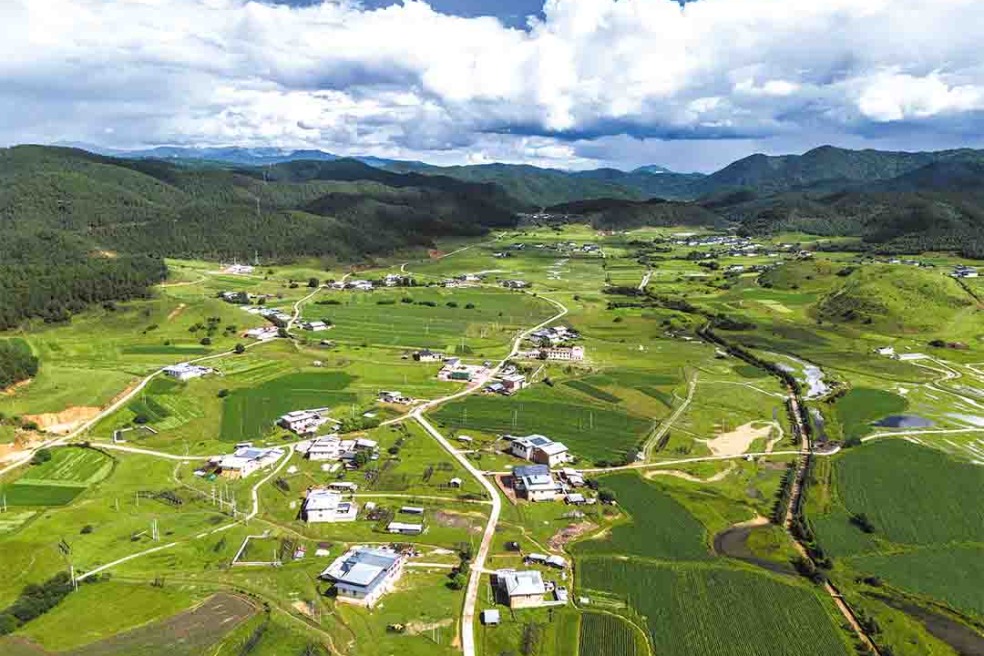
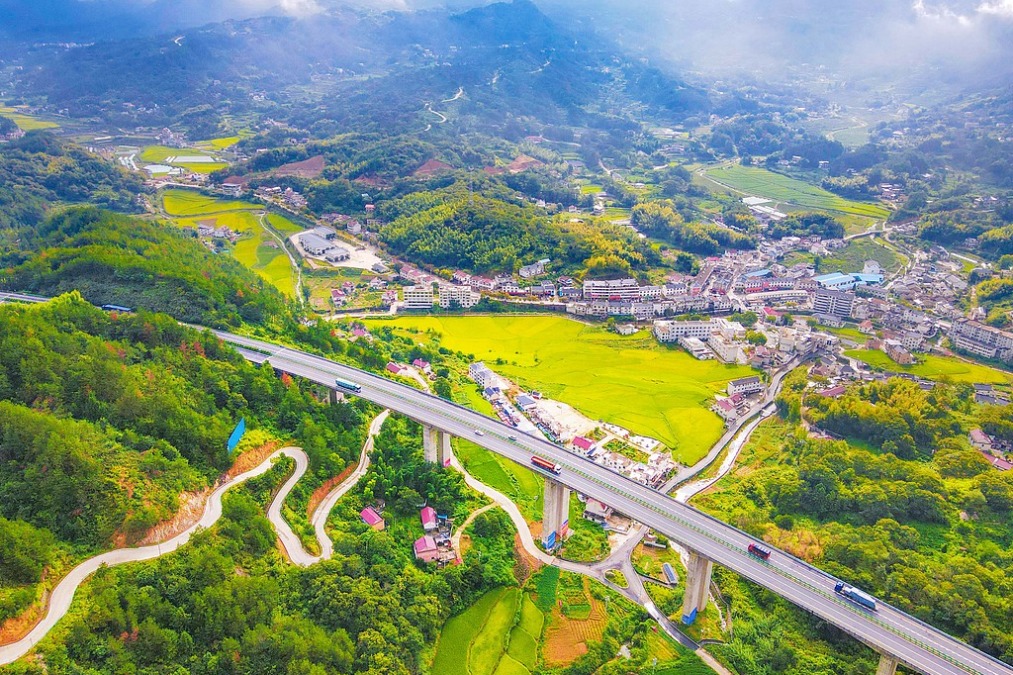
China ensures that no region is left behind. Development can often exhibit significant asymmetries, with regional disparities becoming pronounced and Matthew effects — a theory which says that people who have more get more, while those who have less get less — growing evident. As it happened with the "rust belts" in the United States, some initially advanced regions may gradually lose their comparative advantages. By continuously refining regional coordination strategies, increasing transfer payments from the central government, and strengthening paired assistance between better-off and less-advanced areas, China is actively narrowing the regional gaps. Resource-depleted cities, old industrial bases, old revolutionary bases, regions with multiple ethnic groups, border areas, and formerly impoverished areas have overcome challenges, leveraged their strengths, and achieved better development.
China provides ordinary people with opportunities to excel in life. Its achievements are in essence built on the personal achievements of ordinary individuals. Access to quality educational resources, diverse employment opportunities, and entrepreneurial prospects form crucial foundations for personal success. The country has invested significantly in promoting education and employment while actively encouraging innovation and entrepreneurship.
For 13 consecutive years, national public education expenditure in China has remained above 4 percent of GDP, with the gross enrollment rate in higher education exceeding 60 percent in 2024. China’s primary and secondary education systems rank among the world’s best. Tuition fee at many top public universities in China is only one-twentieth to one-tenth that in many overseas universities. This accessible, high-quality education system has created conditions for social mobility, while a well-educated workforce continues to provide vital support for China’s economic development.
Development dividends are shared by all people. China has established the world’s largest social security system, with 328 million people now receiving monthly pension, effectively preventing the old-age poverty seen in some countries. It has also built the world’s largest medical and healthcare system, improving the availability and regional distribution of quality medical resources. Over 90 percent of households can reach the nearest medical facility within 15 minutes.
Through measures such as centralized drug procurement, China has significantly reduced the prices of medicines and consumables, ensuring that the public has access to equitable and affordable basic healthcare services. With the deeper implementation of the Healthy China initiative, the population’s health has markedly improved. Average life expectancy has risen from 74.8 years in 2012 to 79 years in 2024, 5.7 years above the global average.
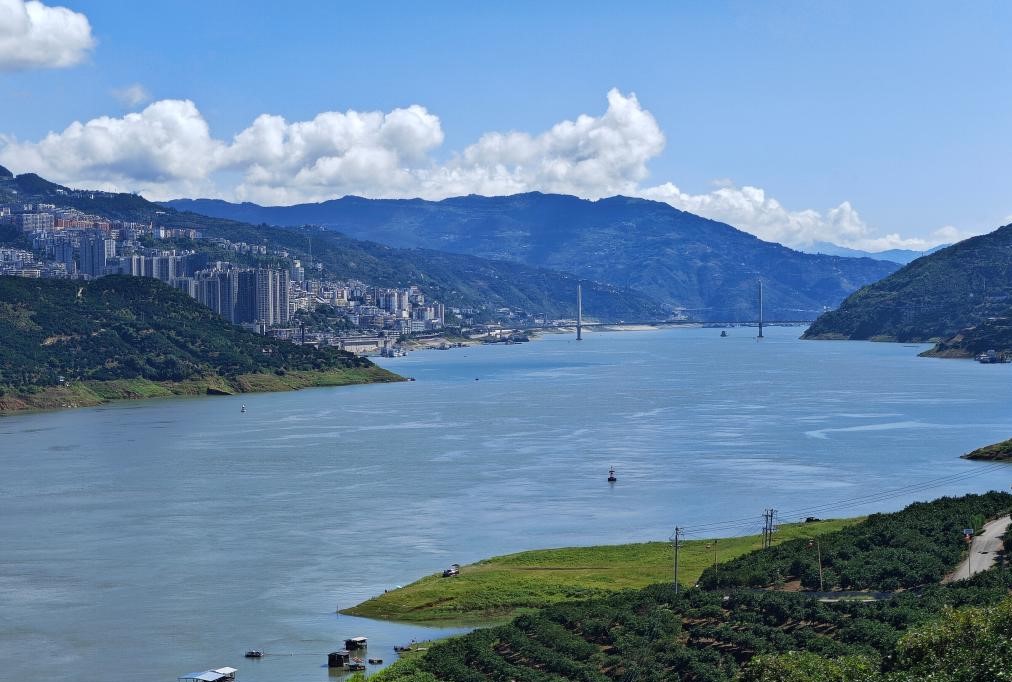
The country is committed to greener and more sustainable development. Guided by the belief that "lucid waters and lush mountains" are invaluable assets, China has vowed to keep air, water and soil clean. It has adopted a holistic approach to reducing carbon emissions, mitigating pollution, and expanding green areas.
As a result, the country has effectively curbed ecological deterioration, and has carried off the palm in improving air quality, enhancing surface water quality and increasing afforestation. It is actively developing green productivity and has established the world’s largest renewable energy system, with its installed capacity of hydropower, wind power, and solar power ranking the highest globally. One out of every three kilowatt-hours of electricity consumed in China now comes from green energy.
The late John Cobb Jr, an academician from the American Academy of Arts and Sciences, once remarked that China’s painstaking efforts in promoting ecological civilization have brought hope to the world, and that China is the world’s hope.
With its people-centered approach, China is making solid strides in achieving common prosperity and green development on its path to modernization, serving as a global example of inclusive development.
The article is an abridged translation of an article appearing in People’s Daily.
The views don’t necessarily represent those of China Daily.
If you have a specific expertise, or would like to share your thought about our stories, then send us your writings at opinion@chinadaily.com.cn, and comment@chinadaily.com.cn.