Stable ties can serve to expand neighbors' common interests










Chinese President Xi Jinping's state visit to the Republic of Korea this week comes at an important moment when there is growing consensus on both sides that they should look to consolidate friendship, expand cooperation and inject new vitality into regional development.
China and the ROK are neighbors linked by not only cultural and people-to-people bonds but also close economic and trade ties. Since the establishment of their diplomatic ties in 1992, the two countries have achieved remarkable progress in economic, cultural and social cooperation. Their relationship, built on mutual benefit and respect, contributes to regional prosperity.
President Xi's visit will provide strategic guidance and clear direction for the next stage of the China-ROK cooperative partnership. Both sides are expected to expand mutually beneficial cooperation and strengthen people-to-people exchanges, bringing more stability to their ties.
China's policy toward the ROK has always been consistent, stable and cooperative. It remains committed to developing good-neighborly and friendly relations. It is hoped that the Lee Jae-myung government will work with China to uphold the original aspiration of the two countries establishing diplomatic ties, manage differences prudently, and jointly safeguard the steady, long-term growth of bilateral relations.
With a pragmatic foreign policy and renewed emphasis on regional stability, the Lee government should heed the clear message from China and steady bilateral ties based on mutual respect and win-win cooperation.
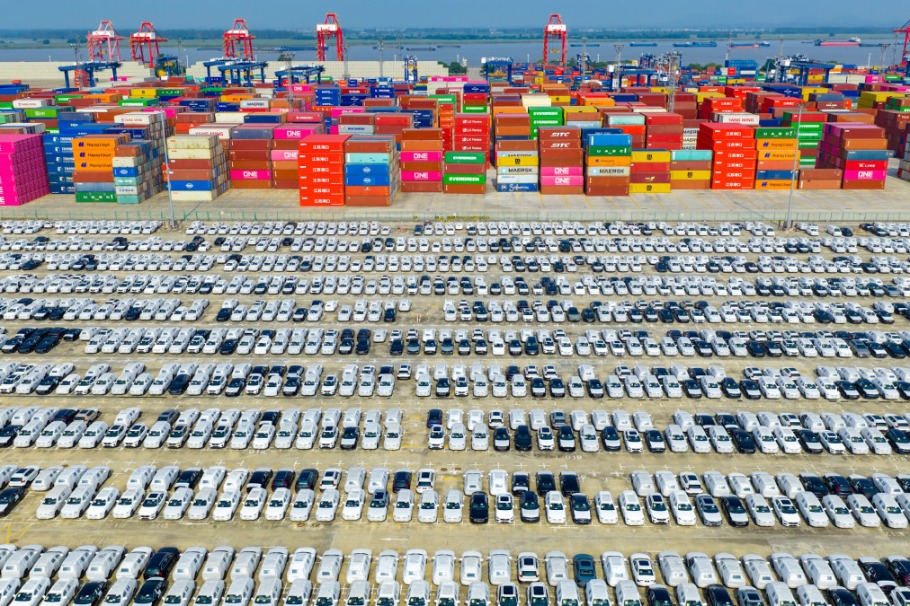
The economic partnership between China and the ROK is a key foundation of their relationship. China has been the ROK's largest trading partner for 21 consecutive years, while the ROK is China's second-largest trading partner, according to data from the Chinese Ministry of Commerce.
The China-ROK Free Trade Agreement, which took effect in 2015, has greatly facilitated bilateral trade and investment, and the two sides are now working toward the second phase of the agreement. From traditional manufacturing and logistics to cutting-edge fields such as green industries, artificial intelligence and the digital economy, the complementarity of the two economies continues to generate shared opportunities.
China's economy remains resilient and dynamic, as reaffirmed by the just-concluded fourth plenary session of the 20th Central Committee of the Communist Party of China. The session charted China's new five-year development blueprint centered on high-quality development driven by innovation, consumption and opening-up. This will continue to provide the ROK with new opportunities in trade, investment and industrial collaboration, and reinforce the role of both countries as key engines of regional growth.
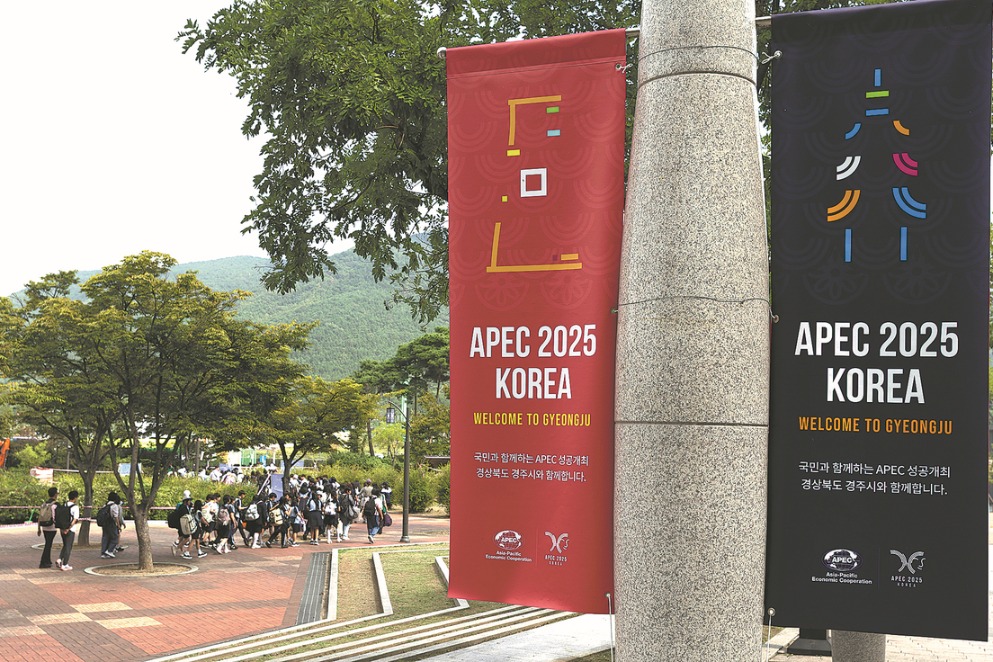
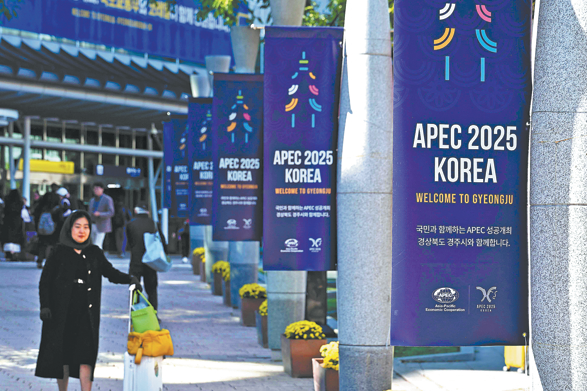
The APEC Economic Leaders' Meeting hosted by the ROK this week has gained wide attention. And China will host the APEC meeting next year. The importance China and the ROK attach to the APEC meeting demonstrates their shared support for free trade and efforts to sustain the stability of the global industry and supply chains. The two countries should oppose unilateralism and trade protectionism, uphold the international multilateral trade system, and safeguard the smooth functioning of supply chains.
Equally vital are the deepening people-to-people ties between the two nations. From cultural exchanges to tourism and education, the warmth between the two peoples forms an enduring bond in bilateral relations.
Amid the increasing external uncertainties, under the guidance of head-of-state diplomacy, the ROK should work with China to deepen friendship and cooperation. They also share an important responsibility to maintain regional peace and stability.
That said, it is good to hear ROK President Lee say in a recent interview with Xinhua that Seoul is willing to work with Beijing to jointly promote mutually beneficial cooperation between China and the ROK to create tangible results for the people of both countries.