China's next five-year plan conducive to global well-being









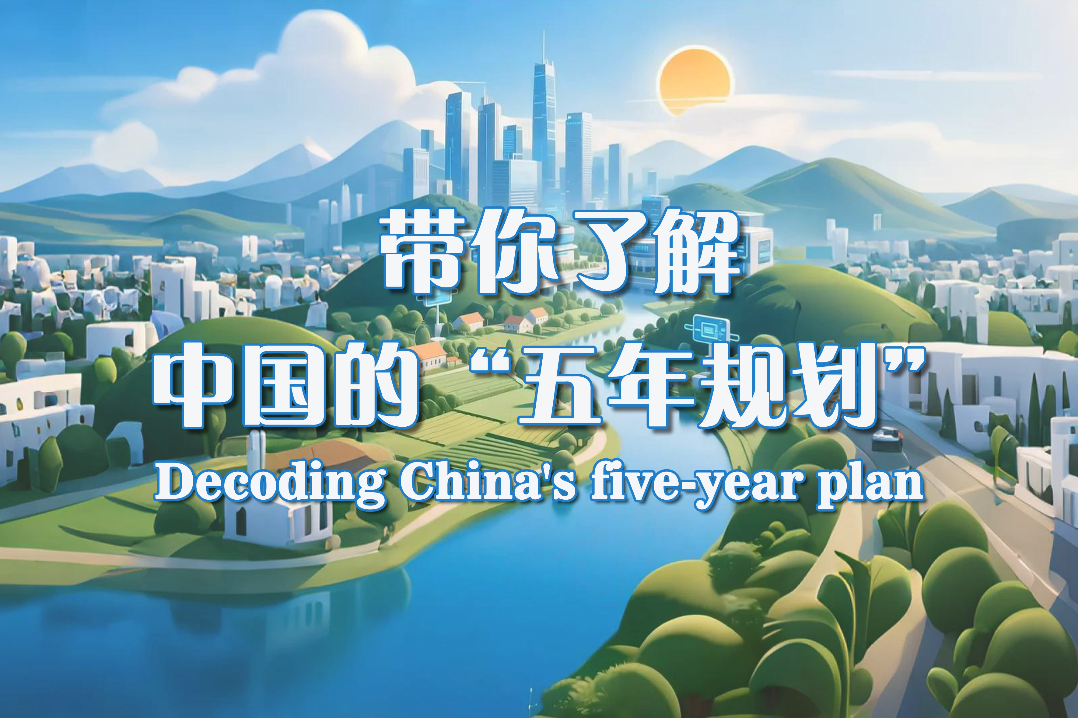
China has just concluded its plenum to formulate the recommendations for the 15th Five-Year Plan (2026-30), centering on high-quality development, which was adopted by the fourth plenum of the 20th Communist Party of China Central Committee. The pivot is timely as China charts its way forward, building its formidable progress since its founding.
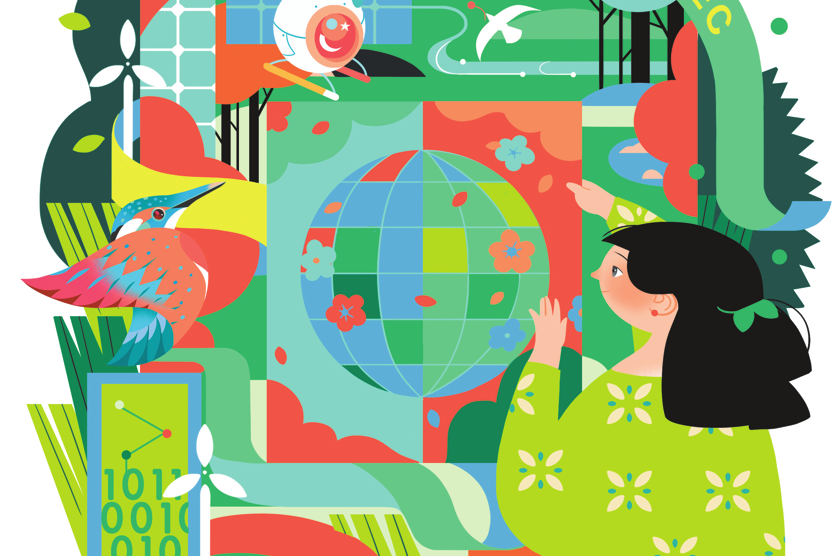
The global landscape is evolving very fast, marked by the imposition of tariffs, AI disruptions and climate-change challenges. China's approach to these challenges, as with previous five-year plans, has been to focus on collective well-being — the well-being of the Chinese people and also that of the world.
In its previous five-year plans, China had advocated social aspects such as poverty alleviation and common prosperity. On the environmental front, it pushed for green development and harmonious coexistence between humanity and nature, while on the global front, it launched large-scale initiatives such as the Global Development Initiative, Global Security Initiative, Global Civilization Initiative, Global Governance Initiative, as well as the Belt and Road Initiative.
Behind these efforts was a national consciousness for well-being. In a joint report published in September by the Well-being and EESG Alliance, the Centre for Governance and Sustainability at the National University of Singapore's Business School, and family business TPC (Tsao Pao Chee), caring for the collective well-being underpins many of China's policies.
Indeed, when people and the environment are well, the world will be well.
We need an integrated approach to foster global well-being. Besides the intention to care for all, strategies need to be integrated across the economic, environmental, social and governance domains. As we have advocated at the Centre for Governance and Sustainability, sustainability is not just about environmental, social and governance aspects. It needs to include the economic aspect, for when companies are not financially viable, they will not be there to drive more environmental, social and governance initiatives.
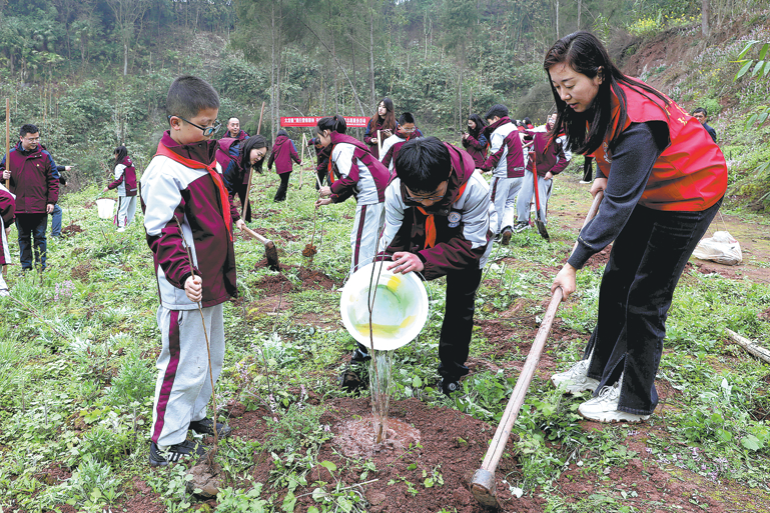
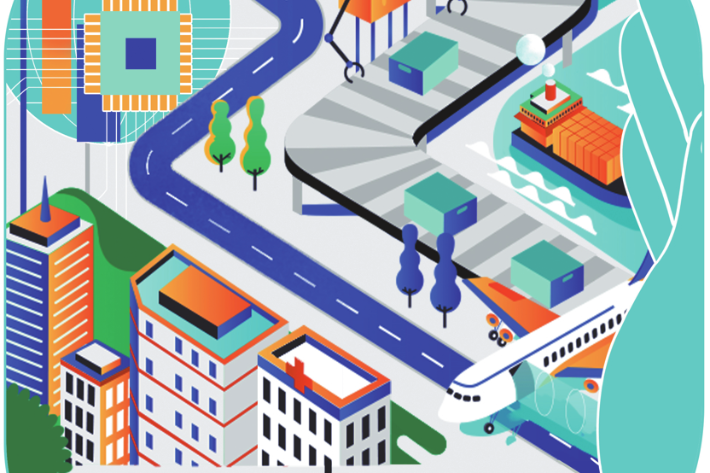
The recommendations for the 15th Five-Year Plan have shown that under the leadership of President Xi Jinping, national development will be further integrated across the economic, environmental, social and governance fronts. The modernized industrial system and technology focus are likely to lead to increased economic benefits. At the same time, advancing the Beautiful China Initiative, a national development blueprint that has laid out specific targets for China's green and high-quality growth, can lead to environmental benefits. The promotion of high-quality employment and population development, social mobility and the Healthy China Initiative — a national drive to promote the overall health of the people — are some of the strategies mentioned to boost social benefits. Governance underpins sustainability, ensuring that policies and practices are aligned with the overall goals.
The initiatives in the next five-year plan recommendations build on President Xi's pioneering vision of an ecological civilization. At a national conference on ecological and environmental protection in 2023, Xi had emphasized nature as an invaluable asset, and that a beautiful China was integral to building a great, modern socialist country. This point was also reiterated in the plenum's communique.
In recent years, the Chinese government has emphasized the greening of the Belt and Road Initiative, which strives for strong environmental sustainability, as well as building a Health Silk Road, which critically aims to improve global health.
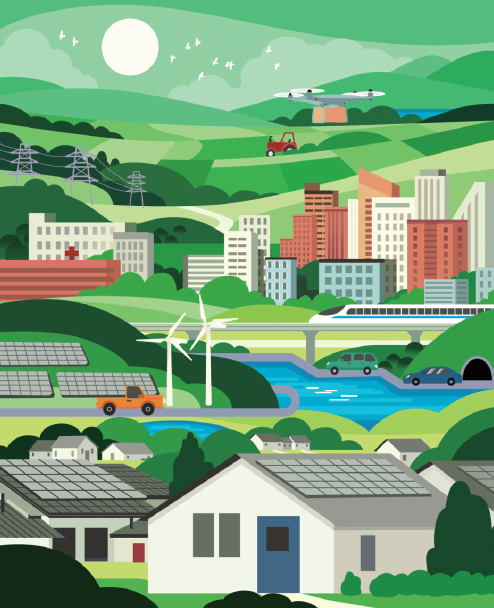
With leadership and partnerships, China's sustainability momentum is formidable. Just in September 2025, Xi announced that by 2035, China will cut its greenhouse gas emissions by 7 to 10 percent from its peak levels. Other climate pledges include raising the proportion of cleaner fuels to account for over 30 percent of total energy consumption as well as expanding the sector coverage of the National Carbon Emissions Trading Market.
China's development plans will have an impact not just on itself but also on the world. In the United Nations Sustainable Development Goals dashboard, China has a high spillover score of 90.14 out of 100. This reflects that its actions in trade, finance and security lead to positive environmental and social impacts, which in turn strengthen other countries' abilities to achieve the SDGs.
An analysis by Carbon Brief, a UK-based website covering the latest developments in climate science, climate policy and energy policy, concluded that China's exports of solar panels, batteries, wind turbines and electric vehicles in 2024 will help reduce carbon dioxide emissions outside the country by about 220 million metric tonnes.
As a country, China's efforts are exemplary for advancing global well-being. While the well-being pursuits of different nations may vary due to their unique contexts, China's new five-year plan looks set to continue in the right direction.
Indeed, the well-being of the world and the people will be predicated on China being a social civilization and the realization of a Beautiful China.
Lawrence Loh is director of the Centre for Governance and Sustainability (CGS) at NUS Business School, and executive director of the Well-being and EESG Alliance (WEGA); and Ang Hui Min is senior manager of research and communications at CGS.
The views don't necessarily reflect those of China Daily.
If you have a specific expertise, or would like to share your thought about our stories, then send us your writings at opinion@chinadaily.com.cn, and comment@chinadaily.com.cn.