The car industry from fumes to the future









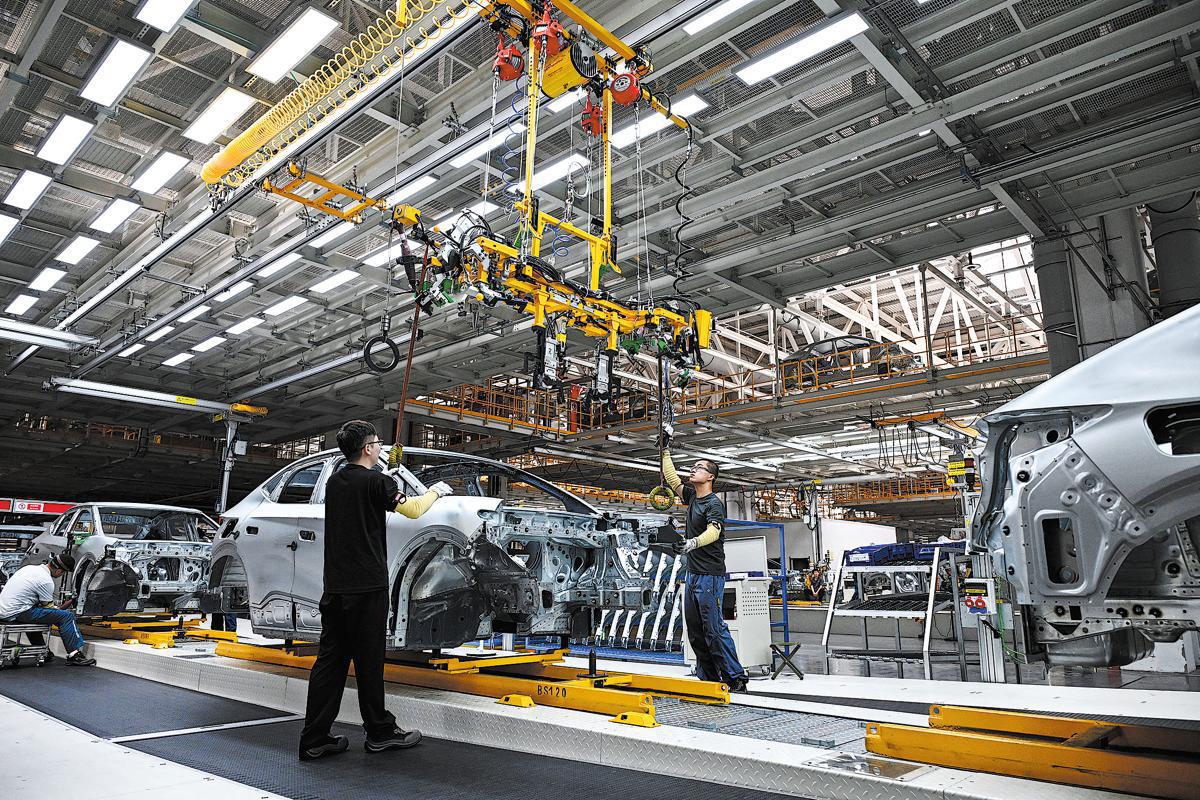
In the 1990s, I frowned when the Shanghai municipal government decided to make automobile production a pillar industry. The city was already choking on pollution caused by cars and the entry of more vehicles would turn the city literally into a car park. Back then, I had vowed to be the last person in Shanghai to own a car — a promise I've kept to this day.
At the same time, I have stoutly defended China's decision to build its own car industry. In 1993, while studying economics under the late Seiji Naya, former chief economist of the Asian Development Bank, I debated with him when he said that China could just import cars from Japan instead. My argument was that if the Republic of Korea followed such advice, it would never have built megacorporations such as Hyundai or Kia.
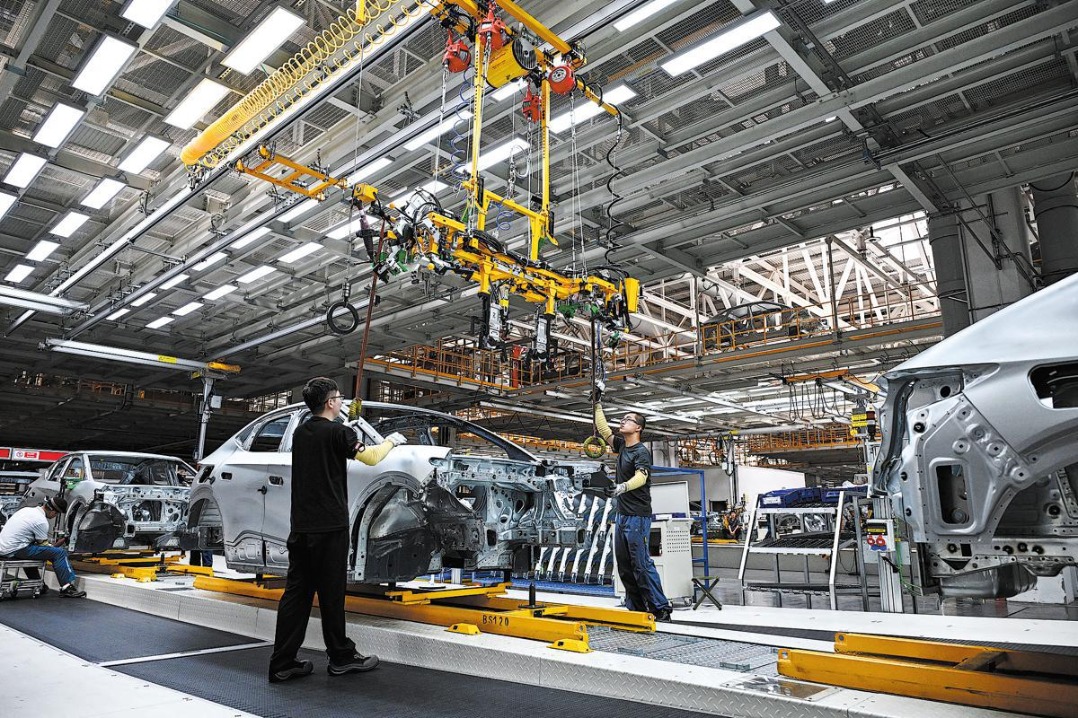
I was reminded of that exchange with my professor during a recent driving tour through northwestern Yunnan. It's astounding to see how much has changed in China in the past 30 years. The country is now the world's largest automobile producer, market, and exporter — surpassing Japan on all three counts. What is even more striking is the way the industry has transformed. Of the more than 31 million vehicles produced and sold in China in 2024, nearly 13 million were new energy vehicles.
That number will continue to rise. From one million cars in 2019, China's car exports shot up to 5.9 million in 2024, of which nearly 40 percent were EVs. Alix-Partners, a consultancy, projects that Chinese carmakers will capture 30 percent of global car sales by 2030, up from 21 percent in 2024.
Once dominated by German, Japanese and US cars, roads in China are now increasingly lined with Chinese brands. BYD already makes more EVs than Tesla and many Chinese EVs are known for cutting edge contemporary designs, modern features and comfort not seen in traditional gas cars.
The growth in the number of new energy cars is matched by the infrastructure required to power them. EV charging facilities are widely available throughout the country, with about 18 million charging ports, including 4.5 million public charging ports. That's about two-thirds of the total EV charging stations in the world. What's more, the government plans to double this capacity by 2027.
With the growth in incomes and rise in living standards in China, automobiles have become affordable for many Chinese. These cars give them the opportunity and freedom to explore remote scenic spots in the country. I observed this firsthand during my recent driving tour.
The phenomenal rise of China's EV industry has somehow changed my perception of cars. In many Chinese cities, people no longer have to inhale the toxic car exhaust these days. But though exhaust fumes are no longer a problem in many cities thanks to the profusion of EVs, the challenge to find a parking spot and navigate traffic jams in major cities such as Shanghai has only grown more intense.
When the construction boom started in Shanghai in the 1990s, no one had foreseen a car boom in the years ahead. As a result, the city's layout plan did not provide enough space for cars. They are now parked on pedestrian spaces in many residential areas in the city. Recently, fire engines could not quickly access a building on fire in my neighborhood because of the cars parked on the lanes. Space for parking a car comes at a premium. Last month, a friend sold her parking spot for 900,000 yuan ($127,000).
Despite being the largest manufacturer and market for cars, China still lags behind in the world when it comes to car ownership. There are about 250 cars per 1,000 people in the country. What will happen if this number rises to 850 on par with the car ownership in the United States? Will it be even possible to move around in Shanghai? Or will the city turn into a gigantic parking lot?

The author is a China Daily columnist.
chenweihua@chinadaily.com.cn