Simple, clear translation better option for metro









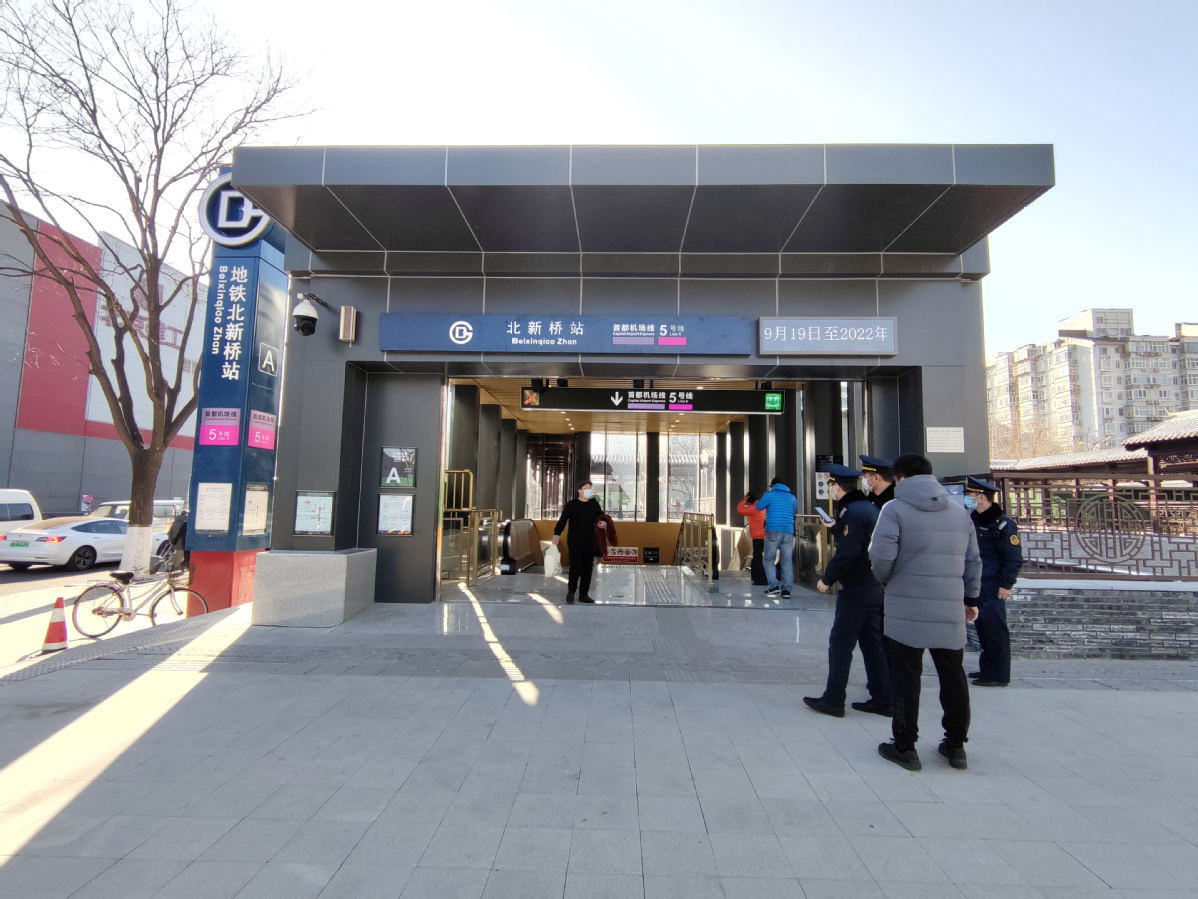
To change, or not to change, that is the question. The question of Beijing Subway replacing the English word "station" with the pinyin "zhan" at some of the metro stations in the capital.
By changing "station" to "zhan", the subway authorities have triggered discussions online, with some netizens saying it will confuse non-Chinese subway users. Some have even said a simple translation is enough to make non-Chinese metro users identify the stations, and the addition of zhan will only create confusion.
On Saturday, Beijing Subway responded to the public concern, saying the city authorities have unified the translation standards for subway station names in accordance with related regulations.
International cities install signboards in English to help foreigners who do not understand the local language navigate the streets and neighborhoods, and identify important public facilities. But what Beijing Subway has done might confuse foreigners and non-Chinese city residents who do not understand Chinese. As for the Chinese residents and visitors, they do not need to read pinyin anyway.
Who are the target readers of such "translation"? What does it mean in terms of communication? Public transport authorities must be clear about the purpose and practicability of such a change before implementing them, especially in a megapolis like Beijing.
A report issued by the China Tourism Academy in 2020 showed China registered more than 145 million inbound tourist trips in 2019. Although the number dropped, due to the COVID-19 pandemic in 2020, tourism will rebound in the future. Therefore, it is necessary for the country, especially major Chinese cities, to continue providing convenient services for foreign visitors.
Moreover, China will continue to further integrate and improve connectivity with the world. For that, however, it should standardize the official English translation of Chinese names and terms on signboards in public places, especially at train and bus stations, airports and roads.
Beijing, as the capital of China, is widely acclaimed for its cultural heritage as well as its modern urban landscape, and has always been open to visitors from both home and abroad. The Beijing 2022 Winter Olympic Games will give the world another opportunity to share the charms of this ancient yet modern city. And airports, and train and bus stations are important infrastructure facilities that can embellish or ruin foreign visitors' experience.
In November, Beijing issued a regulation that requires standardizing Chinese and foreign-language signs at five types of public venues with effect from Jan 1, 2022-public transport venues such as airports and railway stations; venues for large-scale international events like sports, conferences and expos; communities with a relatively high number of foreign residents; emergency shelters; and other significant public venues, including for cultural programs and tourist sites.
The regulation is aimed at elevating Beijing's service level to the highest global standard, improving its status as a global city, and promoting higher-level opening-up and high-quality development.
If the Beijing Subway authorities aim to raise the service level to the highest global standard, they should use translations that are practical and helpful.
The author is a writer with China Daily.
The opinions expressed here are those of the writer and do not necessarily represent the views of China Daily and China Daily website.
If you have a specific expertise, or would like to share your thought about our stories, then send us your writings at opinion@chinadaily.com.cn, and comment@chinadaily.com.cn.