15th Five-Year Plan to cast vision for development









The 15th Five-Year Plan (2026-30) will be implemented from next year, extending China's long-term policy of pursuing sustainable growth. The fourth plenary session of the 20th Communist Party of China Central Committee, scheduled for Oct 20-23, will lay the groundwork for the 15th Five-Year Plan, which will reflect the country's enduring commitment to development. While specific economic growth targets are not expected to be officially announced, policy discussions suggest an average growth of 4.7-4.8 percent over the next five years, supporting the long-term goal of doubling the 2020 GDP by 2035 in real terms.
Given the rapidly rising aging population and ongoing technology restrictions by Western powers, innovation is likely to remain the priority. Total factor productivity gains, fueled by technological advancement, are expected to underpin the economy's expansion.
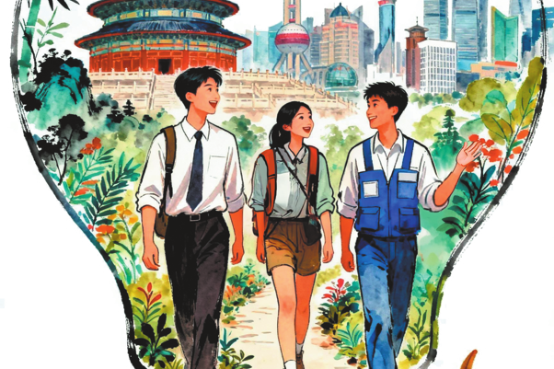
Investment in research and development will be encouraged, leveraging the country's vast STEM (science, technology, engineering and mathematics) talent pool, with an emphasis on artificial intelligence, quantum computing, integrated circuits, biotech, humanoid robotics and renewable energy. Indeed, these efforts have already borne fruit, with China rising to 10th place in the Global Innovation Index in 2025.
The private sector is expected to play a pivotal role in technological advancement. With the recently promulgated Private Sector Promotion Law, private enterprises will have wider room for innovation, expand and contribute to the country's competitiveness. Accordingly, the 15th Five-Year Plan will promote the application of new technologies across industries, creating new growth engines. The "AI+" approach, integrating AI into a wide array of industries, reflects China's goal of transitioning from "Made in China" to "Created in China".
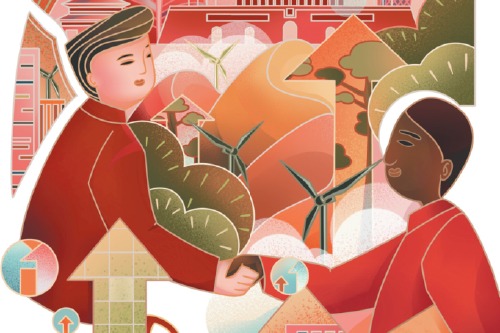
China's commitment to green development will remain central to its industrial policy. The country has vowed to peak carbon emissions before 2030 and achieve carbon neutrality before 2060, with interim goals for 2035, including a 7-10 percent reduction in greenhouse gas emissions from the peak and the non-fossil fuel energy share exceeding 30 percent. Investments in wind, solar and hydropower, new energy vehicles, and related infrastructure will continue, reinforcing China's leadership in renewable energy while balancing environmental protection and economic modernization.
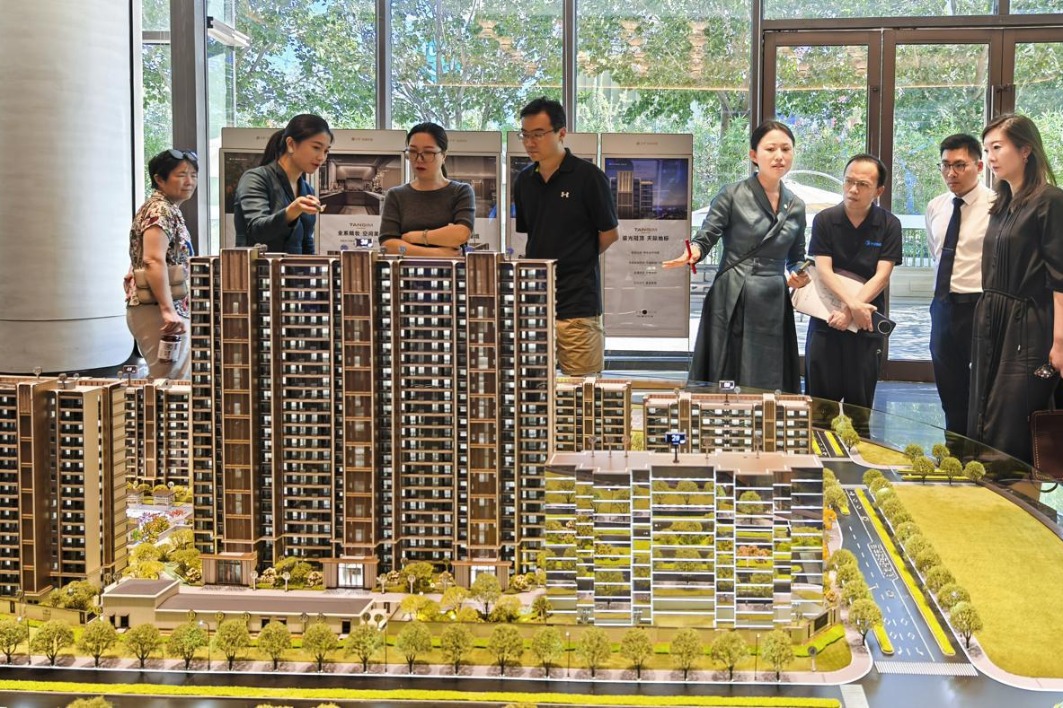
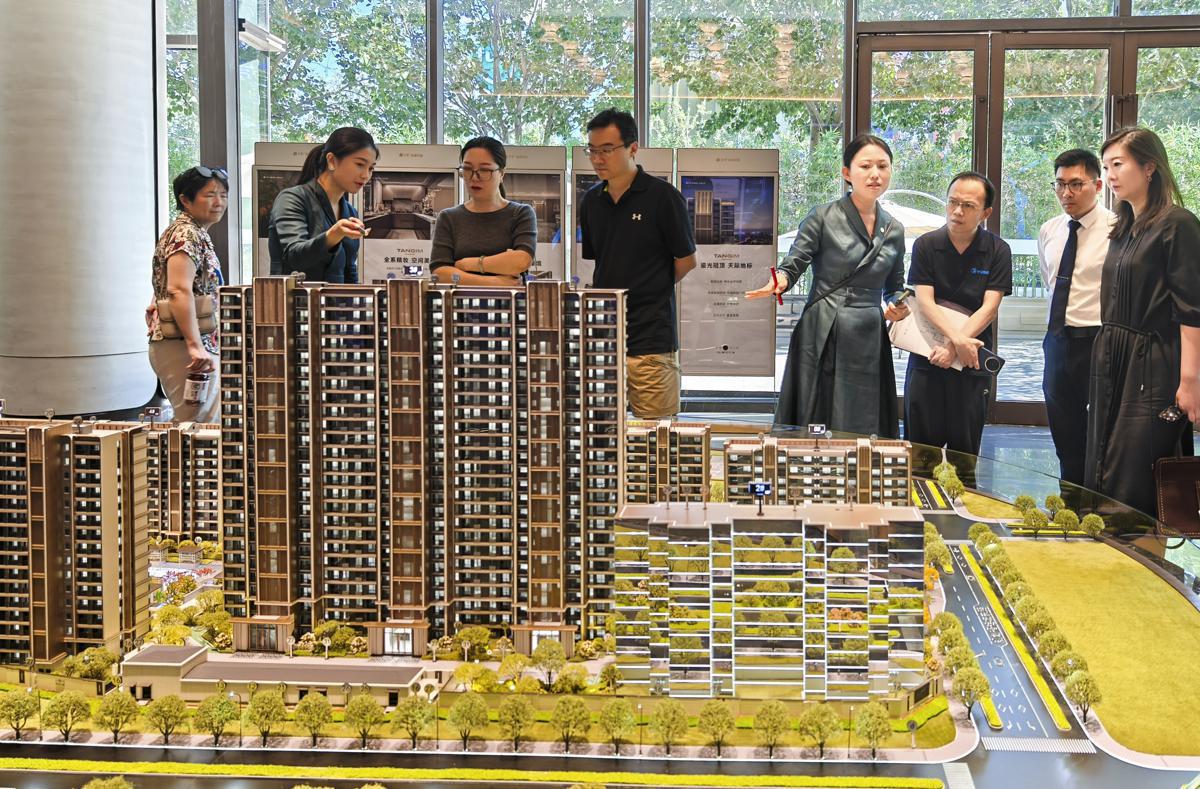
The 15th Five-Year Plan is expected to put renewed emphasis on domestic consumption to complement investment. China has experienced prolonged deflation, with weak domestic demand limiting the economy's growth potential. Stabilizing the housing market, expanding infrastructure investment, and improving medical and elderly care, as well as cultural and sports facilities, are likely to be key priorities.
Shared growth, or common prosperity, will guide policies to increase consumption among low-income groups, recognizing their higher propensity to spend. This includes measures to narrow the income gap by lowering their tax burden, increasing social benefits, and universalizing public services across urban and rural areas. Boosting services consumption, particularly in education, healthcare, childcare, tourism and entertainment, is also expected to receive greater policy support, with reforms facilitating private and foreign participation in the sector.
The 15th Five-Year Plan is likely to advance China's reform agenda, with market forces expected to continue playing a decisive role in resource allocation, and the government ensuring fair competition, equal market access and property rights protection. On the other hand, fiscal reforms are expected to boost local government revenue, adjust tax-sharing mechanisms, and help increase the central government's spending responsibilities.
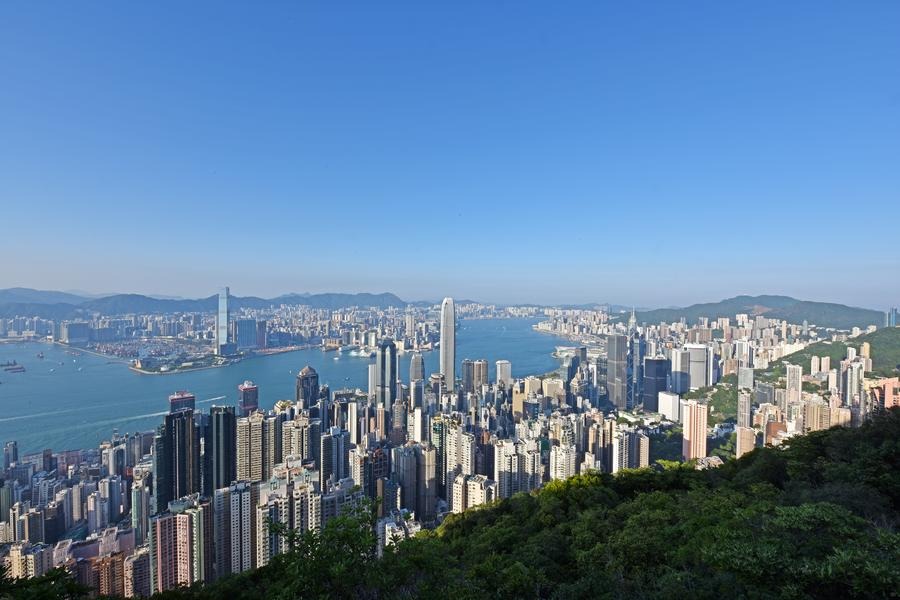
Besides, the internationalization of the renminbi will also be a priority, with the government expected to shift from cautious promotion and adopting a steadier and more proactive approach. Policies may focus on increasing the currency's role in international trade and investment, making renminbi-denominated assets more attractive, and supporting alternative cross-border payment systems, such as the Cross-Border Interbank Payment System and the digital RMB. Also, the Hong Kong Special Administrative Region is expected to continue its role as the primary offshore renminbi hub.
The 15th Five-Year Plan is expected to be a road map that balances ambitious growth, innovation, environmental protection and inclusive prosperity. By focusing on self-reliance in technology, green transformation, boosting domestic demand, and international economic engagement, China aims to navigate global uncertainties while pursuing its sustainable development plan, under which development is not merely an economic goal but the foundation for social stability, national rejuvenation, and a more equitable society.
The author is chief economist for Greater China and North Asia, Standard Chartered Bank.
The views don't necessarily reflect those of China Daily.
If you have a specific expertise, or would like to share your thought about our stories, then send us your writings at opinion@chinadaily.com.cn, and comment@chinadaily.com.cn.