Huangyan Island protection lifeline for coral ecosystem









China's recent announcement of a bomber formation to routinely patrol the South China Sea — in response to the Philippines' so-called "joint patrols" with external forces — underscores a reality often overlooked in discussions on regional security. Stability at sea is not only about deterring risks, but also about safeguarding the ecosystem. While safeguarding its national sovereignty and territorial integrity, China is simultaneously taking steps to strengthen ecological governance in one of the world's most climate-vulnerable marine environments.
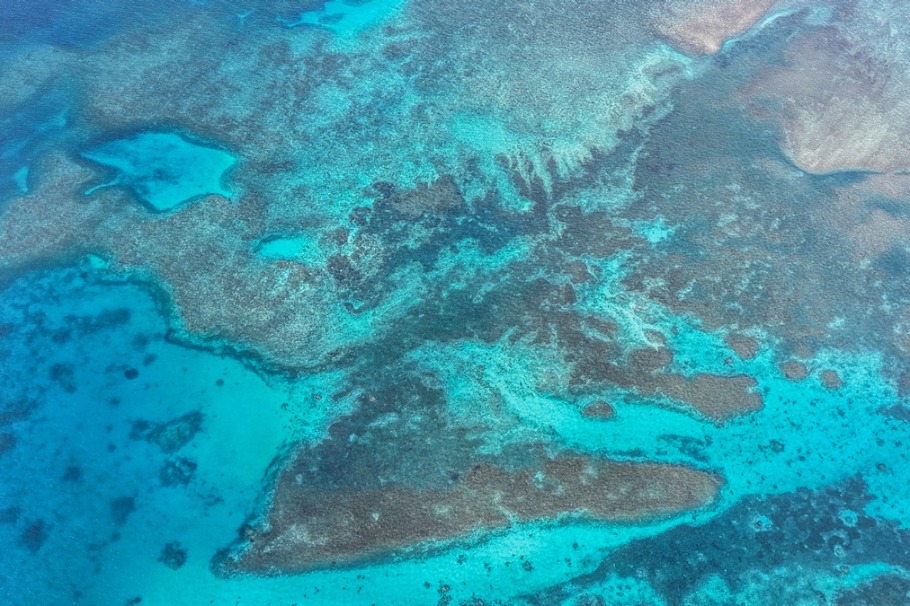
The world's coral reefs are in retreat. Between 2009 and 2018, roughly 14 percent of global coral reefs have been lost — largely because of rising sea surface temperatures and repeated bleaching, or whitening arising from loss of the coral's symbiotic algae or a degradation of the algae's photosynthetic pigment. All of these undermine the natural ability of reefs to recover. Against this backdrop, the decision to establish the Huangyan Island national nature reserve — protecting a coral-rich node in the South China Sea — is not only an act of national stewardship but also a practical contribution to global reef resilience.
China's coasts and nearby seas have warmed markedly in recent decades. Sustained rise in sea surface temperatures increases the frequency and severity of heat stress on reef systems, necessitating the creation of well-designed science-backed protection areas. Nature reserves can preserve biodiversity; preserve refugia, an area in which a population of organisms can survive through a period of unfavorable conditions, for heat-tolerant populations; and maintain connectivity that allows species to migrate and recolonize. Huangyan Island's protection follows precisely this logic.
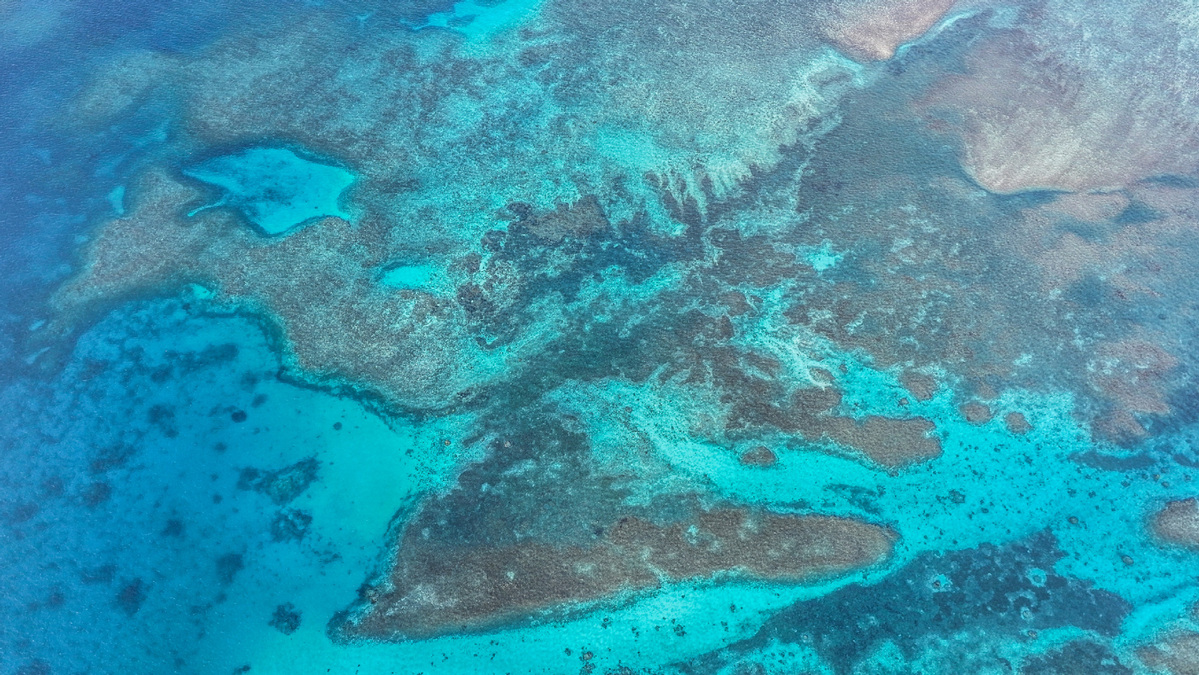
The scientific basis for the nature reserve is compelling. A 2024 survey and assessment of Huangyan Island's waters documented especially rich reef biodiversity — recording 109 species of reef-building corals and a healthy coral cover averaging nearly 29 percent — and identified many corals as national second-class protected species. Many of these were on the International Union for Conservation of Nature's Red List of Threatened Species. The assessment also noted that Huangyan Island's reef communities show comparatively strong tolerance to high water temperatures, making the area a potential refuge for coral assemblages in the face of warming scenarios in the South China Sea.
These scientific facts align with China's broader approach to ecological governance. National-level protected areas are established where ecosystems have high scientific, conservation or cultural value. These range from national parks to local nature reserves. China's laws and regulations governing marine environmental protection and nature reserves assign clear responsibilities for monitoring, law enforcement and restoration — a legal framework that underpins Huangyan Island's new status and the practical measures it enables.
Ecologically, Huangyan Island is ideally located in terms of global coral distribution. Protecting such nodes strengthens the South China Sea's ecological corridor. Practically, the reserve protects nursery grounds and habitat for reef fishes, giant clams, green turtles and other species that underpin local fisheries and coastal livelihoods. In a warming world, preserving areas where corals demonstrate heat tolerance is a strategic conservation choice with benefits that extend far beyond the island itself.
The designation of Huangyan Island as a national nature reserve is only the opening move. Its relative health today masks persistent and growing risks: episodic anomalous heating that can trigger bleaching, the danger of localized habitat damage from illegal or unmanaged human activities and the looming uncertainties of extreme weather. A credible, durable protection strategy must therefore be scientifically advanced, legally enforceable and socially inclusive.
Three mutually reinforcing priorities should guide the reserve's management. First, systematic monitoring and ecological assessment must be expanded and institutionalized to detect early warning signs, track trends and quickly take remedial measures. Second, law-based enforcement and surveillance are essential: those responsible for illegal fishing, destructive gear and other violations must be identified and prosecuted, and human activities in and around the reserve managed to prevent the reserve's degradation. Third, the reserve should be a platform for coordinated scientific research — long-term experiments, restoration trials and studies of thermal tolerance that can enrich conservation practices across the South China Sea and beyond.
Public engagement and low-carbon behavior complete the picture. Effective conservation depends on more than patrols and regulations — it needs public awareness, community buy-in and lifestyle choices that reduce greenhouse gas emissions and local pollution. Citizens can help by learning about reef ecosystems, refusing products derived from endangered reef species, supporting ocean protection initiatives and adopting everyday actions to cut carbon and waste. Every household that reduces its carbon footprint is helping to reduce the heat stress that leads to the decline of corals.
Huangyan Island's protection is a national obligation. It embodies China's stated policy to integrate ecological priorities into development decisions and to expand protected area coverage both on land and at sea. More than symbolism, the reserve offers a real, science-backed refuge for reef biodiversity and a testing ground for adaptive measures under climate pressure.
If the global community is to slow down the loss of coral-based life and the services that reefs provide — from fisheries to coastal protection — we need protection places that preserve biodiversity. Huangyan Island is one such place. Its safeguarding, enforced by law and informed by science, demonstrates a practical, sovereign contribution to the shared task of keeping the ocean's blue heart beating. The work ahead will be exacting, but the alternative — losing another fragment of the world's reef system — is far costlier. Protecting Huangyan Island is not a gesture; it is a strategic, tangible investment in ecological security for China and a constructive step for regional and global reef resilience.
The author is the director of the Marine Eco-Environmental Research Center, South China Institute of Environmental Science, Ministry of Ecology and Environment.
The views don't necessarily reflect those of China Daily.
If you have a specific expertise, or would like to share your thought about our stories, then send us your writings at opinion@chinadaily.com.cn, and comment@chinadaily.com.cn.